Last updated: November 13, 2026.
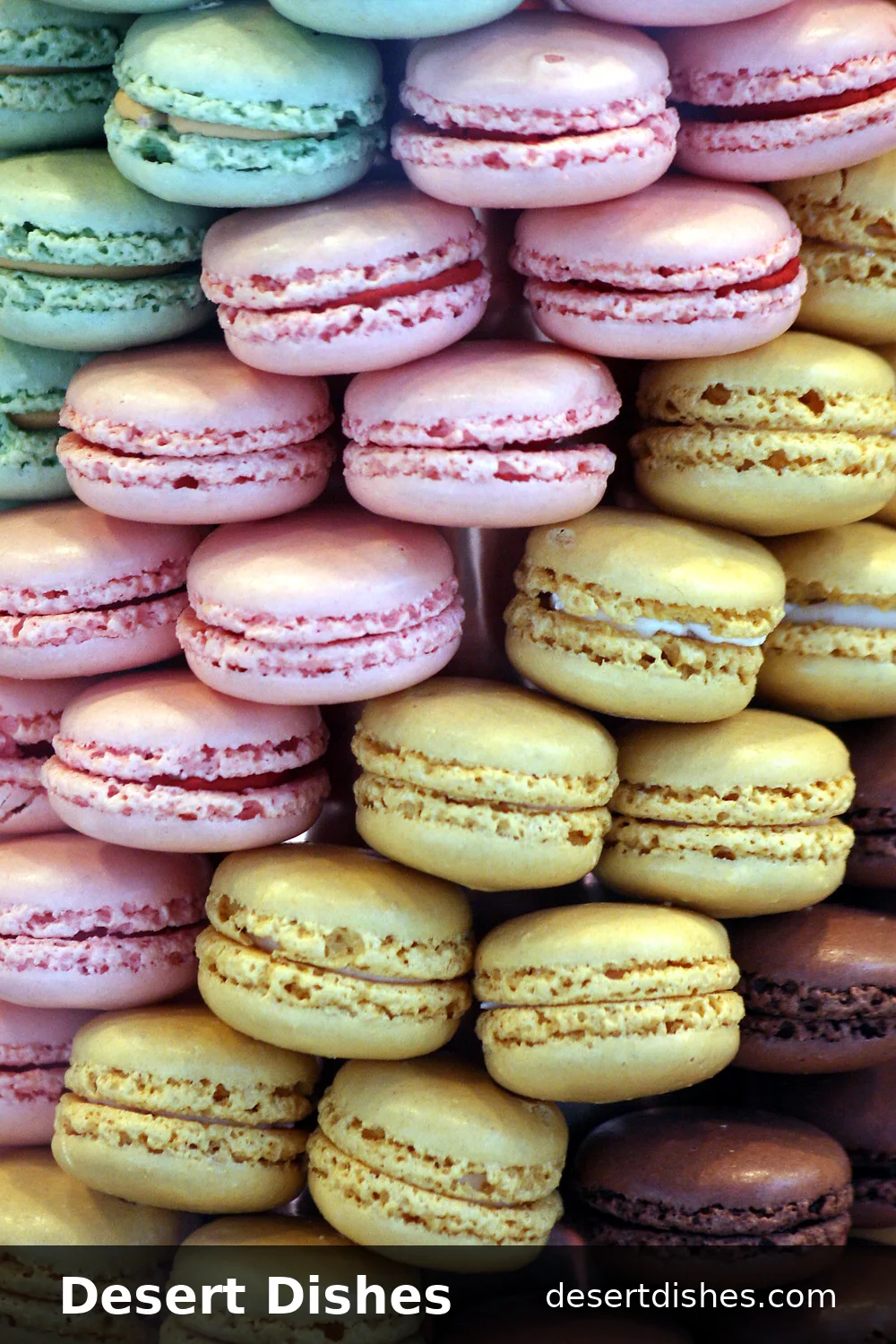
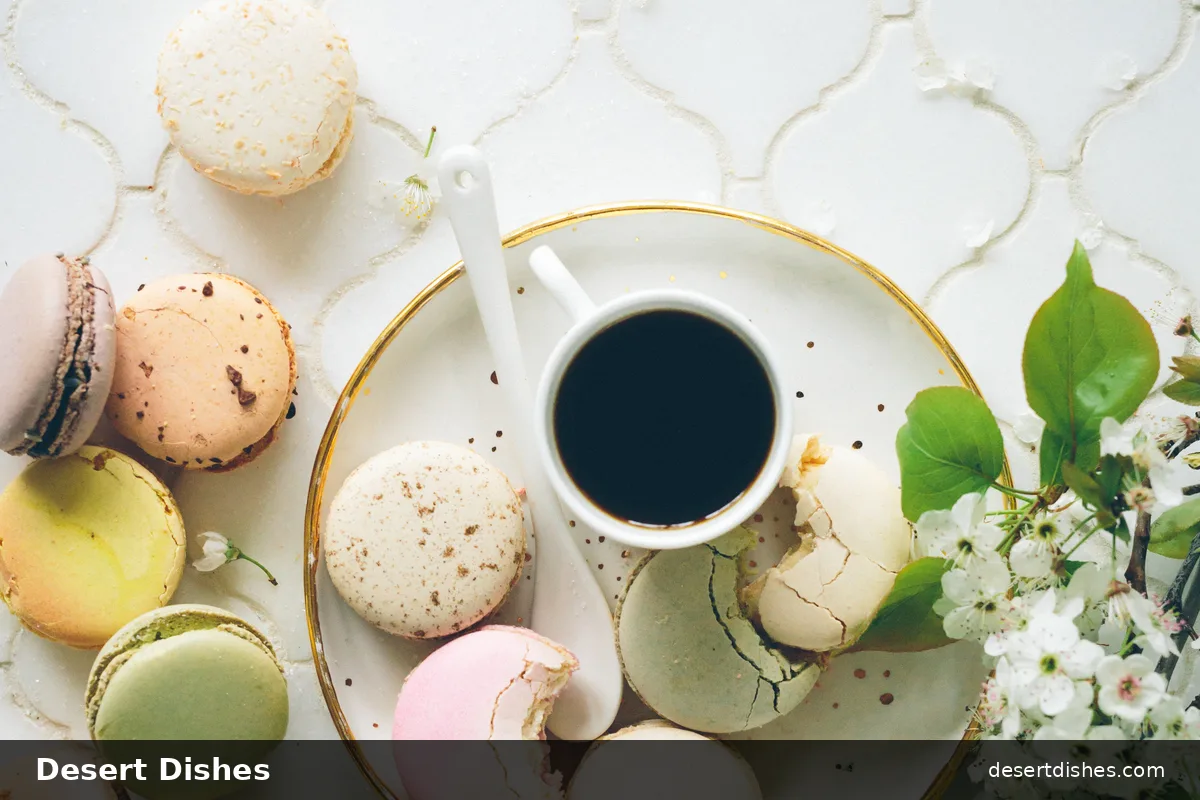
French macarons are almond-meringue sandwich cookies. This recipe uses Swiss meringue — egg whites gently heated with sugar before whipping — which gives more stable, less fragile shells than the classic French method, a better starting point for beginners.
This is an Advanced recipe — the technique matters more than the ingredients — but the Swiss meringue method and the troubleshooting guide below make it the most forgiving way to start. The meringue dissolves the sugar fully, so the shells come out smoother and less prone to hollows, and the folding stage (macaronage) is the one step to watch closely: stop as soon as the batter flows like thick lava.
French macarons belong in our baking dessert recipes collection, and they are the showpiece bake — the one for gifts, celebrations, and the afternoon you want to learn something new. If you are still choosing what to bake, our dessert recipes hub has the full list of ideas.
Why You’ll Love These French Macarons
- Stable Swiss meringue. Heating the whites with sugar dissolves it fully, so shells are smoother and less prone to hollow, fragile structure.
- Crisp outside, chewy inside. The classic macaron contrast — a delicate shell that gives way to a soft, chewy center.
- Overnight maturing. A night in the fridge lets the filling soften the interior — macarons genuinely taste best on the second day.
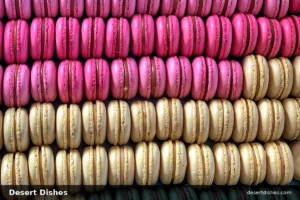
- Endlessly colorful. Gel food coloring and any thick filling turn one base recipe into a whole patisserie window.
- The troubleshooting guide. Cracked shells, no feet, hollow centers — every common problem is diagnosed below, so a first batch is a lesson, not a loss.
Ingredients
Macaron shells
- 100 g (1 cup) almond flour, finely ground
- 210 g (1 3/4 cups) powdered sugar
- 3 large egg whites (about 100 g), room temperature, divided
- 50 g (1/4 cup) granulated sugar
- Pinch of fine salt
- Gel food coloring, optional
Filling
- Chocolate ganache, buttercream, or jam (about 3/4 cup / 180 ml)
Equipment
- Food processor — where to buy
- Fine-mesh sieve
- Heatproof bowl
- Saucepan, for the water bath
- Hand mixer or stand mixer
- Piping bags and round tip — where to buy
- Baking sheets — where to buy
- Parchment paper — where to buy
- Kitchen scale — where to buy
- Toothpick
- Measuring cups and spoons
How to Make French Macarons
Step 1 — Pulse and Sift the Almonds
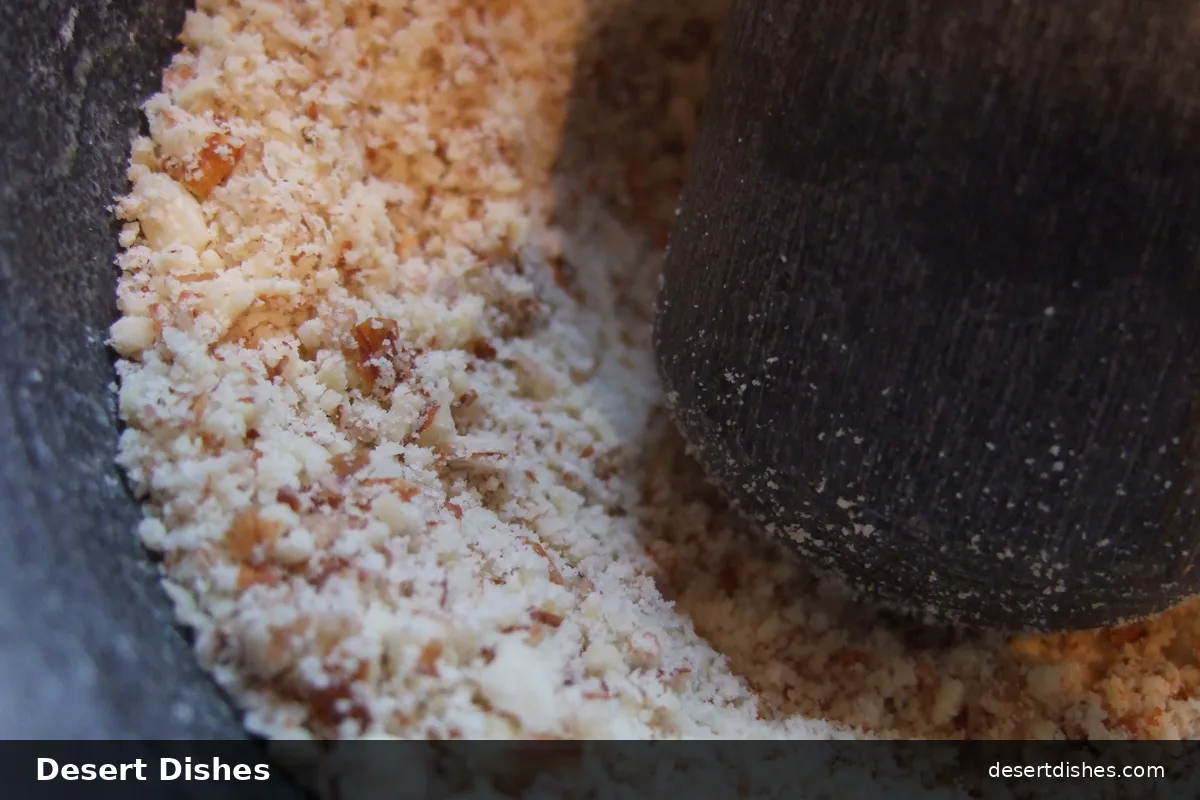
Pulse the almond flour and powdered sugar in a food processor until fine, then sift into a bowl, discarding any large bits. Stir in half the egg whites to make a thick paste.
Step 2 — Make the Swiss Meringue
Heat the remaining egg whites with the granulated sugar and salt over a simmering water bath, whisking, until the sugar dissolves and the mixture reaches about 160°F (71°C) — or until it feels smooth between your fingers with no grit. Whip on high speed to glossy, stiff peaks that hold their shape when the whisk is lifted.
Step 3 — Macaronage: Fold to Lava
Fold the meringue into the almond paste in thirds (macaronage) until the batter flows like thick lava and falls in a ribbon that disappears back into the bowl in about 10 seconds. If using color, add it with the last third.
Step 4 — Pipe the Shells
Pipe 1 1/4-inch (3 cm) rounds onto parchment-lined sheets, 1 inch apart. Rap each sheet firmly on the counter to release air bubbles, then pop any surface bubbles with a toothpick.
Step 5 — Rest Until a Skin Forms
Rest the piped shells for 30–60 minutes, until a dry skin forms — a fingertip touched lightly to a shell comes away clean. On humid days this can take longer; do not rush it.
Step 6 — Bake and Cool
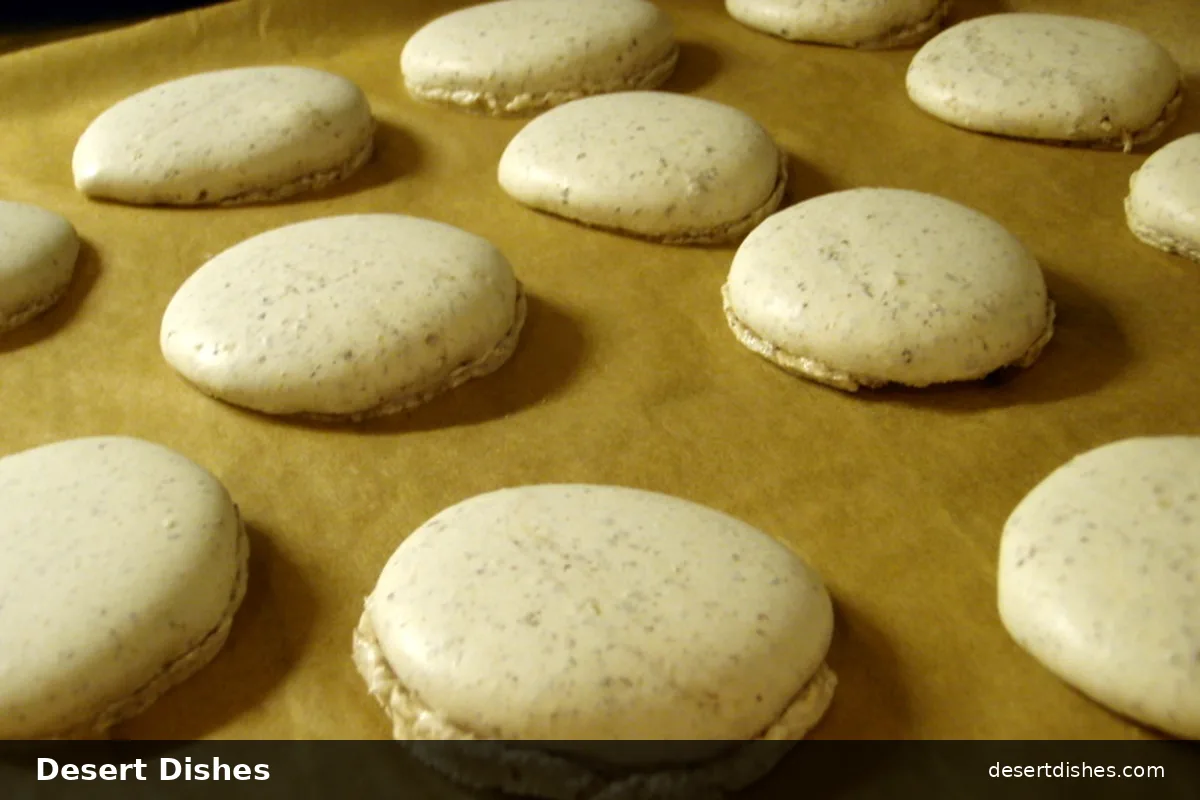
Bake at 300°F (150°C) for 14–16 minutes. The shells should not wobble on their feet. Cool completely on the sheet before peeling them off.
Step 7 — Fill the Shells
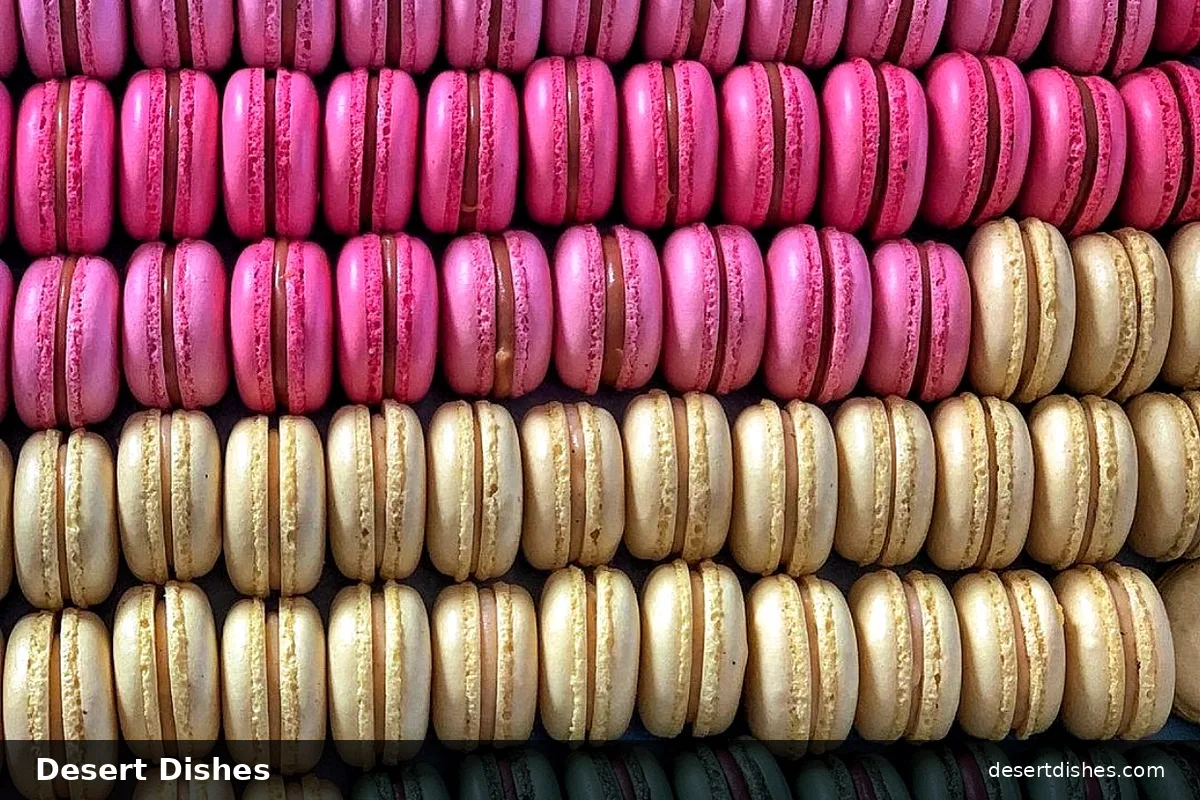
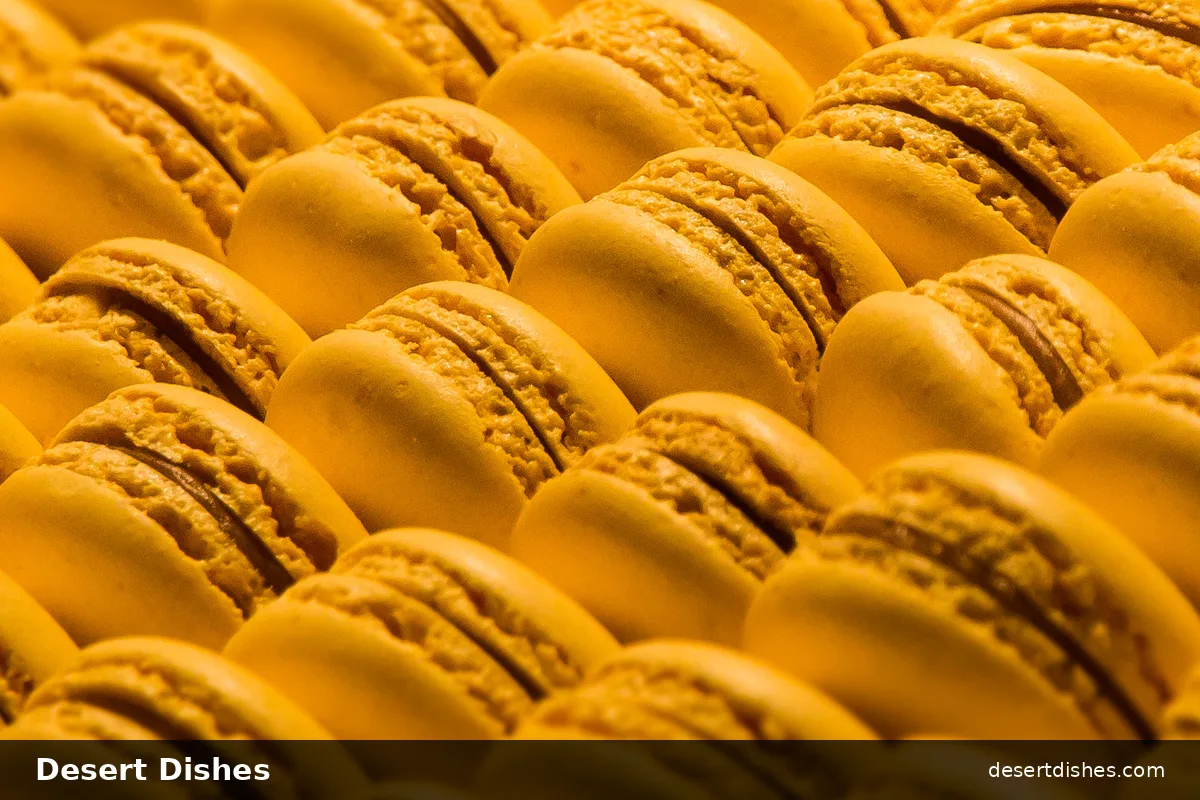
Fill the shells with ganache, buttercream, or jam, sandwiching them in pairs of similar size.
Step 8 — Mature Overnight and Serve
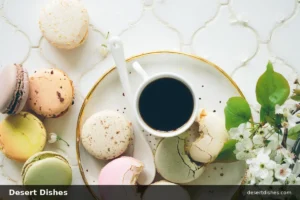
For the best texture, mature the filled macarons in the fridge overnight before serving — the filling softens the chewy interior. Serve cold or at room temperature.
Tips for Perfect Macarons
- Weigh everything. Macarons are a weighing recipe, not a scooping one — a kitchen scale is the single most useful tool here.
- Sift twice if needed. Any large almond bits in the batter make lumpy shells. Discard what does not pass through the sieve.
- Stiff peaks, not soft. Under-whipped meringue gives hollow shells. Whip until the peaks stand up straight when the whisk is lifted.
- Count your folds. Macaronage is usually 40–60 folds. Stop at the lava stage — undermixed batter keeps peaks and cracks, overmixed batter spreads flat with no feet.
- Rest until the skin forms. The fingertip test is the rule: if batter sticks to your finger, wait longer.
- Know your oven. Macarons are sensitive to temperature — an oven thermometer is worth it for this bake.
Troubleshooting
- Cracked shells: usually under-rested (no skin) or overmixed batter; also check oven temperature with a thermometer.
- No feet: batter too stiff, or oven too cool; feet form in the first minutes of baking.
- Hollow shells: meringue under-whipped or oven too hot; maturing overnight improves the bite but does not fix structure — whip to stiff peaks next time.
- Lopsided shells: piping at an angle or uneven heat; rotate the tray halfway through baking.
Storage, Make-Ahead and Freezing
- Refrigerator: filled macarons keep airtight for up to 5 days — they taste best on the second day, after the filling softens the shells.
- Make ahead: fill the shells the day before serving and mature them in the fridge overnight.
- Freezing: freeze filled macarons for up to 3 months; thaw in the fridge overnight. Unfilled shells freeze for up to 3 months too.
- Serving: serve cold or at room temperature. Bring refrigerated macarons out 20 minutes before serving for the best texture.
Variations
- Chocolate macarons. Replace 2 tablespoons of the powdered sugar with cocoa powder for chocolate shells.
- Pistachio macarons. Swap half the almond flour for finely ground pistachios and fill with white chocolate ganache.
- Lemon macarons. Fill with lemon curd or lemon buttercream for a bright, tangy center.
- Coffee macarons. Add 1 teaspoon of instant espresso powder to the meringue and fill with coffee buttercream.
- Any thick filling works. Ganache (chocolate + cream), buttercream, or seedless jam — avoid watery fillings that soften the shells too fast.
Nutrition
One filled macaron (1 of 24) has about 110 calories, 17 g carbohydrates, 2 g protein, 4 g fat, 1 g saturated fat, 15 g sugar, 1 g fiber and 20 mg sodium. Nutrition information is an estimate only; values vary with the filling.
Dietary notes: Contains egg and tree nuts (almond). Gluten-free by ingredients (verify almond flour is certified if serving celiac guests). Vegetarian.
| Calories | 110 |
|---|---|
| Carbohydrates | 17 g |
| Protein | 2 g |
| Fat | 4 g |
| Saturated fat | 1 g |
| Sugar | 15 g |
| Fiber | 1 g |
| Sodium | 20 mg |
How we write our recipes: Every Desert Dishes recipe is written with US home cooks in mind — ingredients are given in cups and grams, temperatures in Fahrenheit and Celsius, and times are stated as ranges where ovens vary. Our Recipe Testing Policy explains how recipes are checked and corrected. Found an error? Contact us and we will fix it — see our Corrections Policy.
Shop This Recipe
As an Amazon Associate, Desert Dishes earns from qualifying purchases.
Baking Equipment
for this recipe
for this recipe
for this recipe
for this recipe
for this recipe
FAQ
Why did my macarons crack?
Cracks usually mean the shells did not rest long enough to form a skin, the batter was overmixed, or the oven runs hot. Rest until a fingertip touch comes away clean, fold just to the flowing stage, and verify your oven temperature.
What is macaronage?
Macaronage is the folding stage where meringue is folded into the almond paste until the batter flows like thick lava and falls in a ribbon. It controls both the feet and the smoothness of the shells, so stop as soon as it reaches that flowing consistency.
How long should macarons rest before baking?
Rest piped shells 30–60 minutes at room temperature until a dry skin forms — a light fingertip touch should come away clean. On humid days this can take longer; do not rush it, or the shells may crack.
How do I store macarons?
Store filled macarons airtight in the fridge for up to 5 days — they actually taste best on the second day after the filling softens the shells. Freeze filled macarons up to 3 months and thaw in the fridge overnight.
Times, servings and nutrition values are standard guidance and may vary.
French Macarons Recipe
Ingredients
Equipment
Method
- Pulse the almond flour and powdered sugar in a food processor until fine, then sift into a bowl, discarding any large bits. Stir in half the egg whites to make a thick paste.
- Heat the remaining egg whites with the granulated sugar and salt over a simmering water bath, whisking, until the sugar dissolves and the mixture reaches about 160°F (71°C) — or until it feels smooth between your fingers with no grit. Whip on high speed to glossy, stiff peaks that hold their shape when the whisk is lifted.
- Fold the meringue into the almond paste in thirds (macaronage) until the batter flows like thick lava and falls in a ribbon that disappears back into the bowl in about 10 seconds. If using color, add it with the last third.
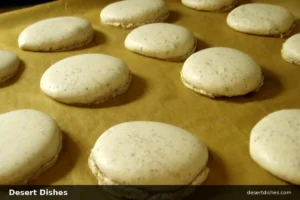
- Pipe 1 1/4-inch (3 cm) rounds onto parchment-lined sheets, 1 inch apart. Rap each sheet firmly on the counter to release air bubbles, then pop any surface bubbles with a toothpick.
- Rest the piped shells for 30–60 minutes, until a dry skin forms — a fingertip touched lightly to a shell comes away clean. On humid days this can take longer; do not rush it.
- Bake at 300°F (150°C) for 14–16 minutes. The shells should not wobble on their feet. Cool completely on the sheet before peeling them off.
- Fill the shells with ganache, buttercream, or jam, sandwiching them in pairs of similar size.
- For the best texture, mature the filled macarons in the fridge overnight before serving — the filling softens the chewy interior. Serve cold or at room temperature.
Notes
More Recipes to Try
More from Desert Dishes — try these next:
- Perfect Vanilla Cupcakes Recipe (Fluffy & Easy) — fluffy, easy vanilla cupcakes with smooth frosting.
- Best Sugar Cookies Recipe (Soft & Easy) — soft, easy sugar cookies — the other cookie-jar classic.
- Easy Snickerdoodle Recipe (Soft & Chewy Cinnamon-Sugar Cookies) — soft, chewy cinnamon-sugar cookies with a crackled top.
- Easy Chocolate Mousse Recipe (Classic, Light & Airy) — classic, light and airy mousse with dark chocolate and whipped cream.
- Classic Tiramisu Recipe (Easy, No-Bake & Creamy) — classic, creamy no-bake tiramisu with coffee-soaked ladyfingers.