

Dessert Types and Categories
Last updated: November 9, 2026.
Dessert types are the categories that organize every sweet dish: cakes, cookies, pies, puddings, frozen desserts, and more. Knowing the types matters because it tells you how a dessert is made, how it should be served, and what to choose for an occasion — a baked dessert for a holiday table, a chilled dessert for a summer party, a no-bake dessert when you have no time.
Dessert Types Explained
Desserts are usually grouped by how they are made, not by what they taste like. The main split is between baked desserts, which go in the oven, and unbaked desserts, which are chilled, frozen, or assembled without heat. Within those groups, desserts split again by form: a cake is different from a cookie, a pie is different from a tart, and a pudding is different from a mousse, even when they share ingredients. The form decides the texture, the serving style, and the occasion. A cake is sliced and shared; a cookie is picked up; a pudding is spooned from a bowl.
Major Dessert Categories
The major dessert categories cover almost every sweet dish you will meet. Each category is defined by its preparation method and its form.
- Baked desserts — cakes, cookies, pies, and pastries cooked in the oven.
- Chilled desserts — puddings, custards, mousses, trifles, and parfaits set in the fridge.
- Frozen desserts — ice cream, sorbet, frozen cakes, and frozen pies served cold from the freezer.
- No-bake desserts — desserts assembled without baking: icebox cakes, no-bake cheesecakes, energy balls, and chilled cups.
- Fruit-based desserts — desserts where fruit is the main ingredient, across baked, chilled, and raw styles.
Baked Desserts
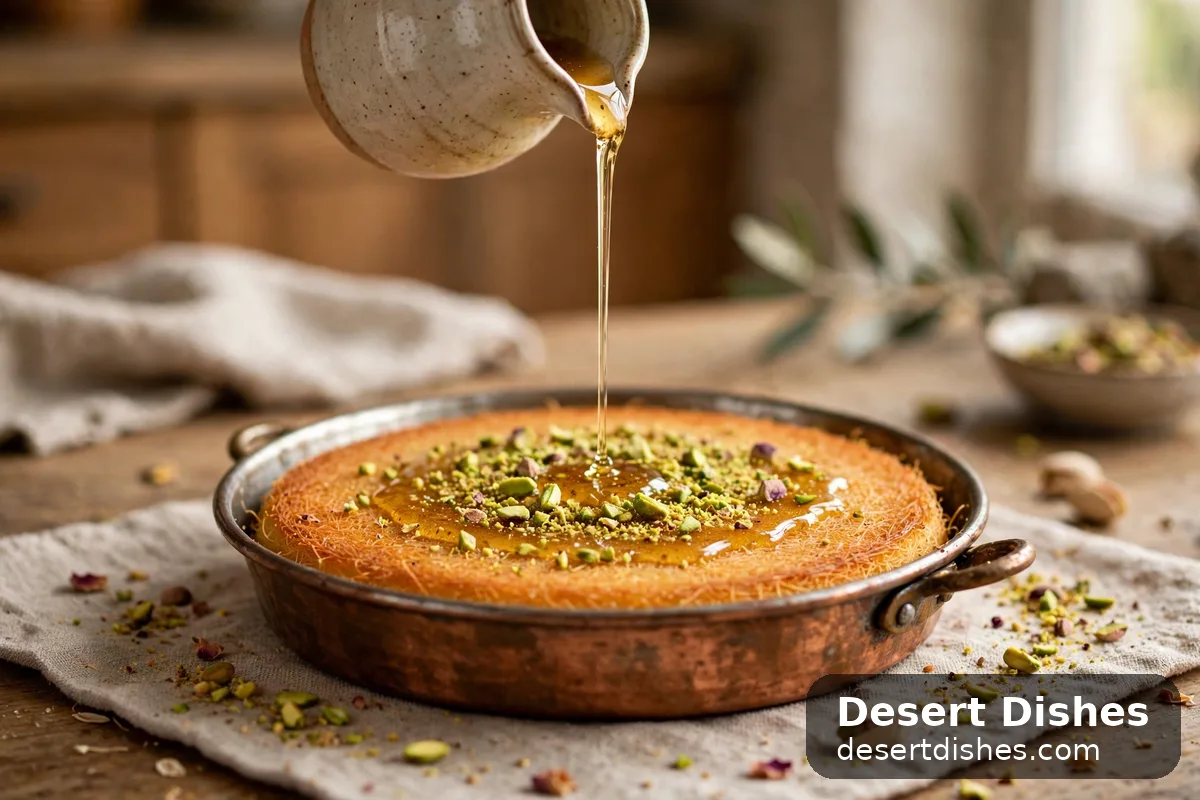
Baked desserts are the largest category, and the one most people think of first. Cakes, cookies, pies, tarts, pastries, brownies, and bars all belong here. Baking does two things: it sets the structure of the dessert, and it develops flavor through browning — the golden crust on a pie, the crisp edge of a cookie, the caramelized top of a cake.
Chilled Desserts
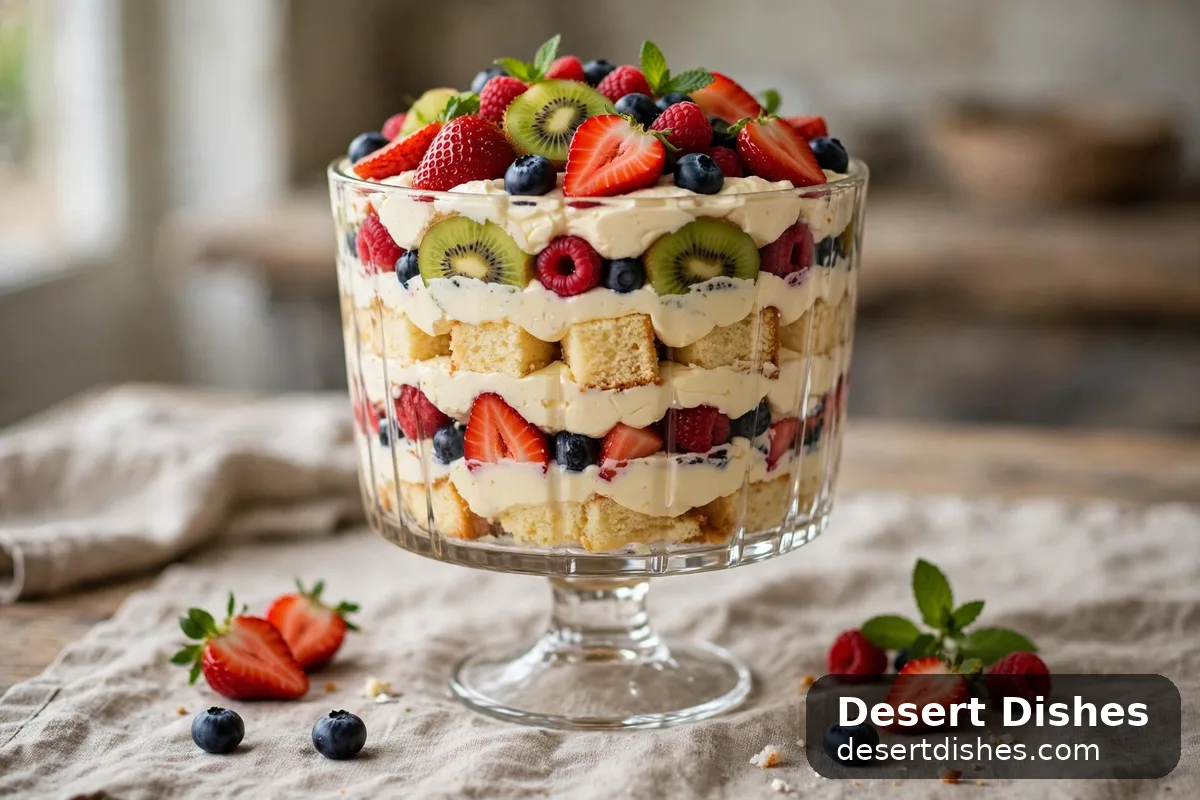
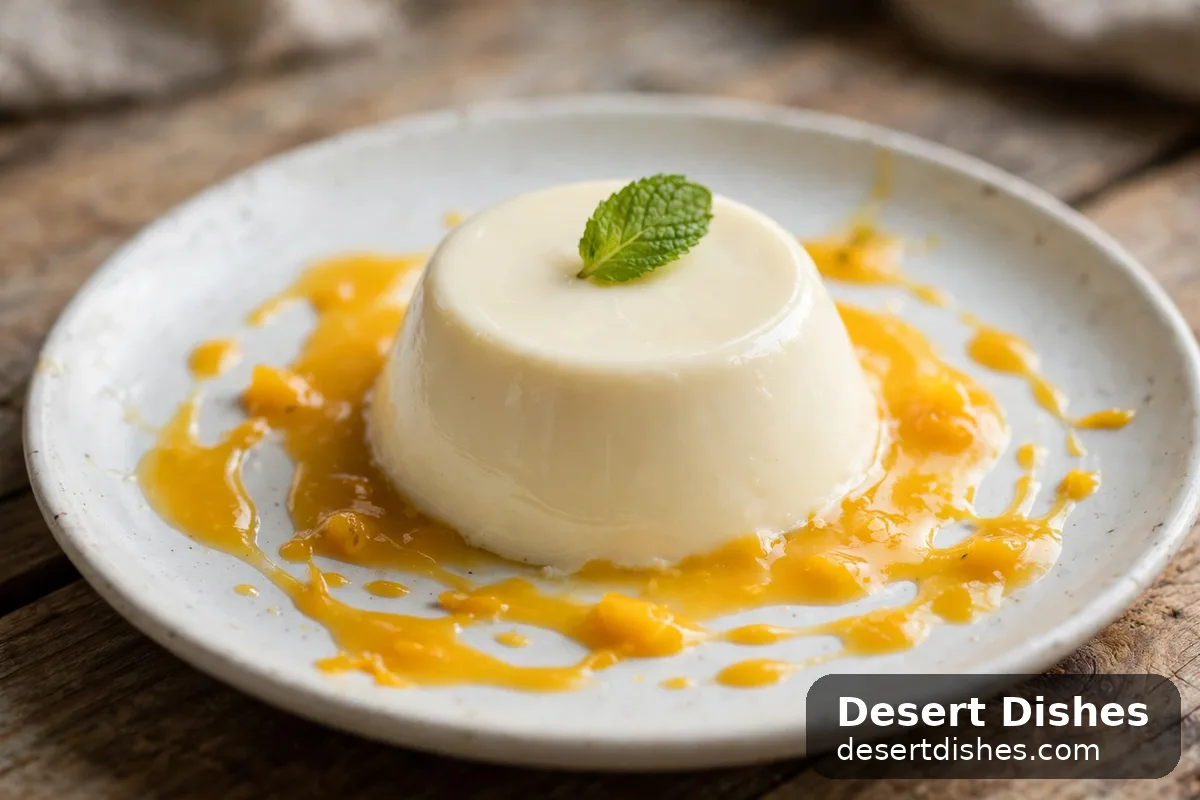
Chilled desserts are set in the fridge rather than baked in the oven. Puddings, custards, mousses, panna cotta, trifles, and parfaits all belong here. They rely on chilling time to set: gelatin, eggs, or cream thicken as they cool, giving a smooth, spoonable texture.
Frozen Desserts
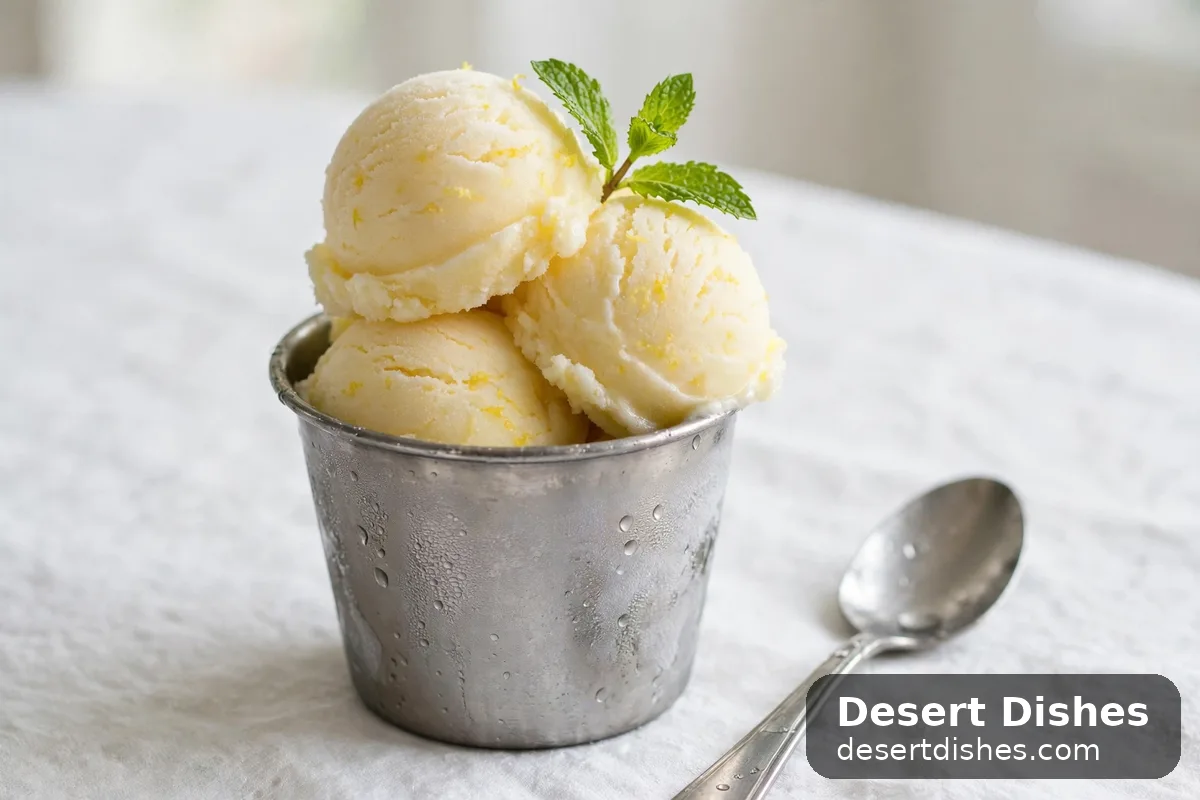
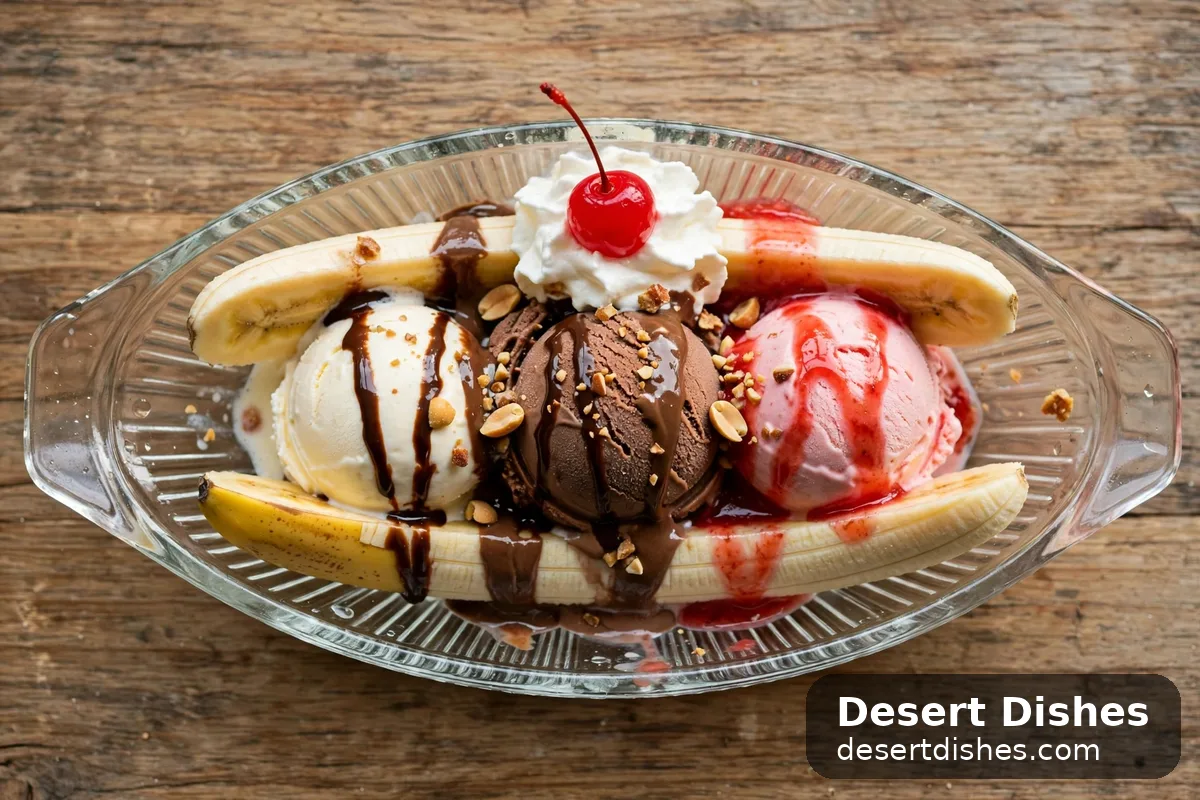
Frozen desserts are served from the freezer: ice cream, sorbet, granita, frozen yogurt, and frozen cakes and pies. They are the coldest desserts, and the most make-ahead friendly — a frozen dessert can wait for days until it is needed.

No-Bake Desserts
No-bake desserts are assembled without an oven at all. Icebox cakes, no-bake cheesecakes, energy balls, chilled fruit cups, and refrigerator pies all belong here. They are the fastest desserts to make, and the best choice when the oven is busy, broken, or simply too hot to use.

Fruit-Based Desserts
Fruit-based desserts cut across the other categories, because fruit can be baked, chilled, frozen, or served raw. A fruit dessert is defined by its main ingredient rather than its method: the fruit is the flavor, and everything else supports it. Pies, crisps, tarts, trifles, sorbets, and fresh fruit cups all count as fruit desserts when fruit leads.
Dessert Names and Examples
The table below gives the common names within each type, with examples you will recognize, so you can match a name to a dessert you have eaten or want to make.
| Dessert type | Common names | Examples |
|---|---|---|
| Cakes and cupcakes | Sponge, pound, layer, sheet cake | Vanilla layer cake, carrot cake |
| Cookies and bars | Drop, cut-out cookies, brownies, bars | Chocolate chip cookies, lemon bars |
| Pies, tarts, pastries | Fruit pie, cream pie, tart, galette | Apple pie, lemon tart, baklava |
| Puddings, custards, mousses | Pudding, custard, mousse, panna cotta | Chocolate mousse, umm ali, bread pudding |
| Frozen desserts | Ice cream, sorbet, granita, frozen cake | Vanilla ice cream, mango sorbet |
| Chilled and no-bake | Icebox cake, parfait, energy balls | Icebox cake, no-bake mango cups |
| Fruit desserts | Crisp, crumble, cobbler, poached fruit | Apple crisp, peach cobbler |
Cakes and Cupcakes
Cakes are the celebration dessert. A cake is a baked batter — usually flour, sugar, eggs, and butter or oil — that rises in the oven and is served in slices. Layer cakes stack two or more layers with frosting; sheet cakes bake in a tray and serve a crowd; cupcakes are the same idea in individual portions. Cakes suit birthdays, holidays, and any occasion where the dessert is the centerpiece.


Cookies and Bars
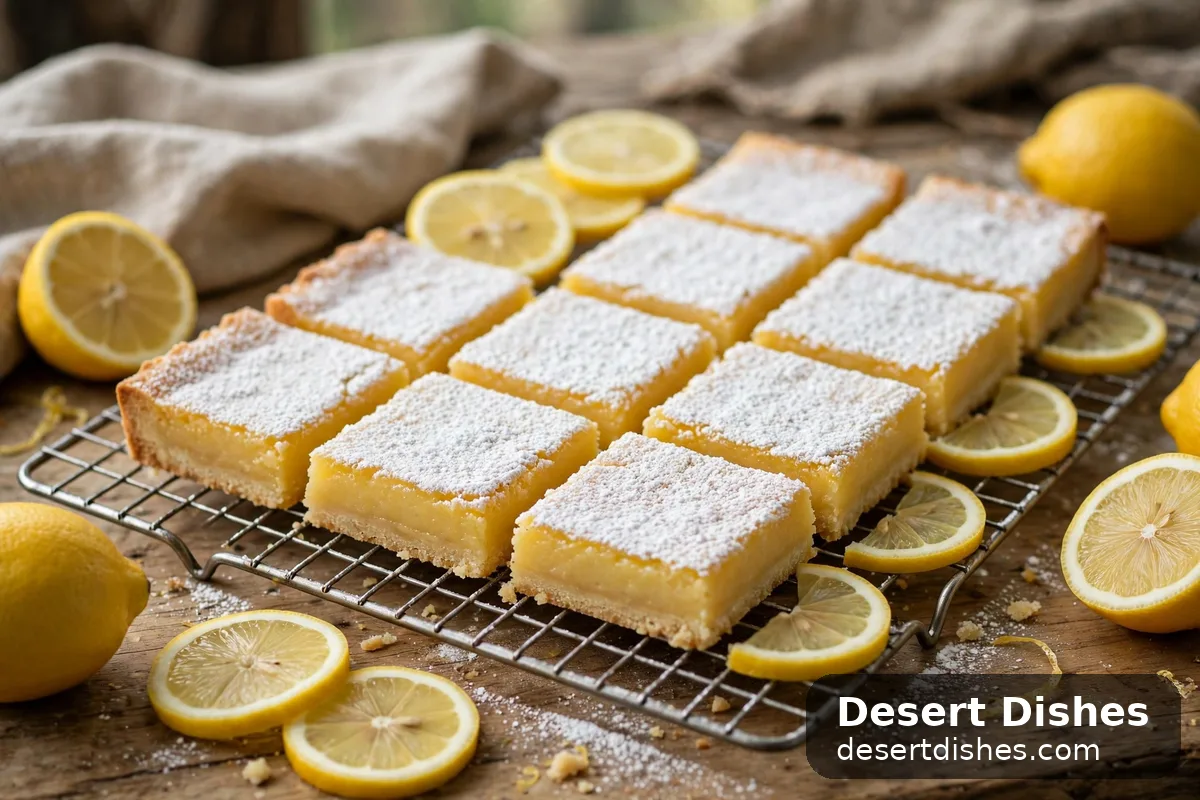
Cookies and bars are the most portable desserts. A cookie is a small, individual baked sweet — drop cookies are spooned onto a tray, cut-out cookies are shaped, and sandwich cookies are filled. Bars are baked in a pan and cut into squares: brownies, blondies, and lemon bars are the best-known examples. They suit parties, potlucks, and lunchboxes because they travel well, keep for days, and need no plate or fork.


Pies, Tarts, and Pastries
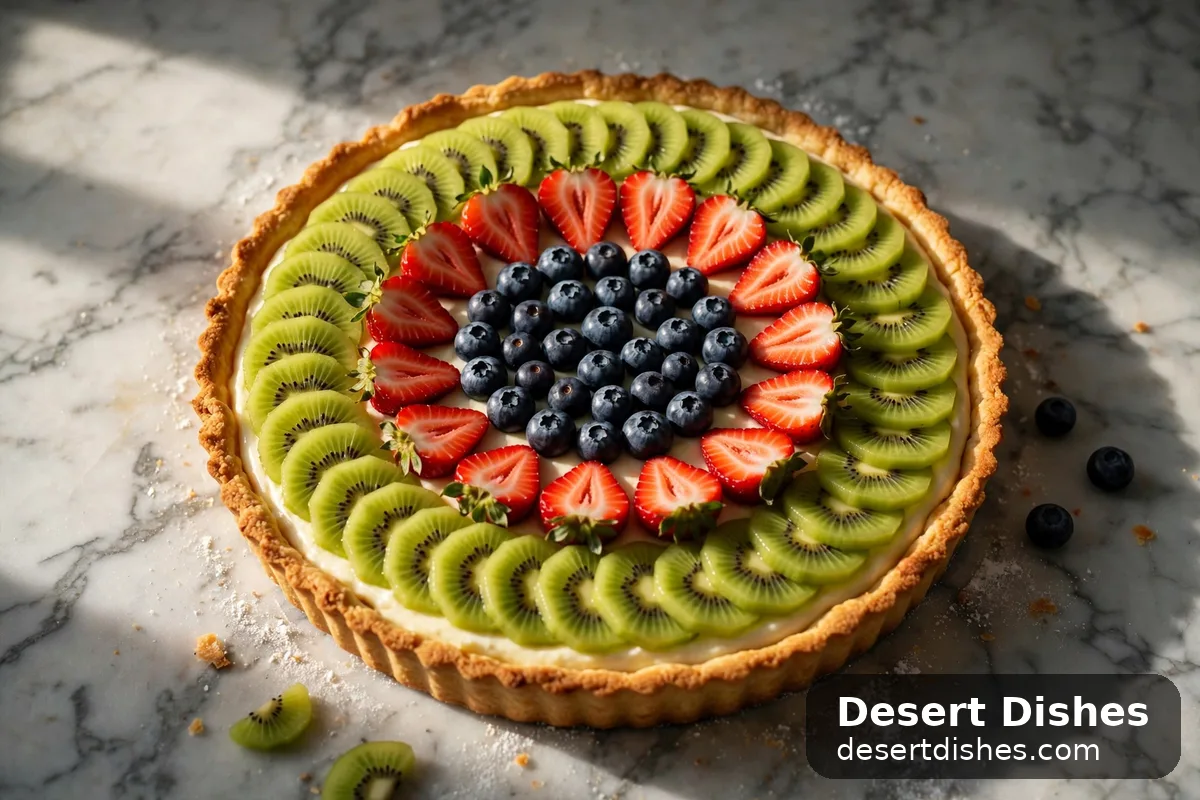
Pies, tarts, and pastries are built on pastry. A pie has a pastry case and usually a filling with a top crust or an open top; a tart has a single crisp shell and a neat filling; a pastry is a broader term for baked goods made with layered or enriched dough, including baklava, croissants, and puff pastry sweets. The pastry is the skill here — it should be crisp and golden, not soggy — and the filling can be fruit, custard, cream, or nuts.


Puddings, Custards, and Mousses
Puddings, custards, and mousses are spoon desserts — soft, creamy, and served in a bowl or glass. A pudding is a soft, thick dessert, often made with milk, eggs, or bread; a custard is a set mixture of milk and eggs, baked or stirred; a mousse is a light, airy dessert made by folding whipped cream or egg whites into a flavored base. Umm ali, the Egyptian bread pudding, is a pudding in this sense: bread or pastry soaked in hot milk with nuts. These desserts are served chilled or warm, they portion easily, and they suit the end of a meal.

Prepared Desserts Explained
“Prepared dessert” is a phrase people search for, and it causes confusion because it sounds technical. It is not a type of dessert like cake or pie. It is a way of describing how a dessert reaches the table — and the answer is simpler than the phrase suggests.
What Makes a Dessert a Prepared Dish
A prepared dessert is a dessert that has been made ready to eat through some form of preparation — mixing, baking, chilling, assembling, or cooking — as opposed to a dessert that is simply served as it is, like a piece of fresh fruit. The phrase comes from the world of food labeling and menus, where “prepared” distinguishes a dish that was made from ingredients from a single raw ingredient served whole.
Homemade and Ready-to-Eat Desserts
Within prepared desserts, there is a useful split between homemade and ready-to-eat. A homemade prepared dessert is one you make yourself from ingredients — a cake you bake, a trifle you assemble, a pudding you stir. A ready-to-eat prepared dessert is one you buy finished — a cake from a bakery, a tub of ice cream, a packaged pudding. Both are prepared desserts; the difference is who did the preparing. When people ask what a prepared dessert is, they are usually trying to work out what counts — and the answer is that anything made from ingredients into a finished sweet dish counts, whether you made it or bought it.
Dessert Classification by Preparation Method
The cleanest way to classify desserts is by preparation method, which is how this site organizes them. Baked desserts are cooked in the oven. Chilled desserts are set in the fridge. Frozen desserts are set in the freezer. No-bake desserts are assembled without heat. Raw desserts, like a fresh fruit plate, are served as they are. The preparation method is the most useful first question, because it tells you what equipment, time, and planning the dessert needs.
Recipes in This Hub
This is a taxonomy and reference page, not a recipe hub — no first-ten recipe is assigned to it, and none is listed here, because forcing recipes onto a reference page would mislead readers about what the page is for. Readers looking for recipes should start from the recipe hubs:
- Middle Eastern Desserts — home of the first five Arabian recipes (kunafa, luqaimat, basbousa, umm ali, qatayef).
- Fruit Desserts — home of the planned no-bake mango dessert cups and date & walnut energy balls.
More from Desert Dishes: Dessert Recipes · Baking Dessert Recipes · Middle Eastern Desserts · Fruit Desserts · Homepage
FAQ
What are the main types of desserts?
The main types are baked desserts (cakes, cookies, pies, pastries), chilled desserts (puddings, custards, mousses, trifles), frozen desserts (ice cream, sorbet, frozen cakes), no-bake desserts (icebox cakes, energy balls, chilled cups), and fruit-based desserts, which cut across the other types. Each type is defined by how it is made and how it is served, and most desserts belong to one main type with a secondary one — a frozen pie, for example, is both a pie and a frozen dessert.
How do baked and no-bake desserts set?
Baked desserts go in the oven — cakes, cookies, pies, and pastries — and the heat sets their structure and develops flavor through browning. No-bake desserts are assembled without an oven — icebox cakes, no-bake cheesecakes, energy balls, and chilled cups — and they set in the fridge instead. Baked desserts usually need precise timing and temperature; no-bake desserts need chilling time and are more forgiving, which makes them a good choice for beginners and for hot days.
Which desserts are considered frozen desserts?
Frozen desserts are any desserts served from the freezer: ice cream, sorbet, granita, frozen yogurt, and frozen cakes and pies. They are made ahead, stored frozen, and served cold, often slightly softened. Ice cream is the best-known frozen dessert, but the category also includes fruit-based frozen desserts like sorbet and granita, which contain no dairy, and assembled desserts like ice cream cakes that are frozen whole and sliced.
What is the difference between a cake and a pastry?
A cake is a single baked item made from a batter — flour, sugar, eggs, and fat — that rises in the oven and is served in slices. A pastry is a broader term for baked goods made with pastry dough: layered, flaky, or enriched doughs used for pies, tarts, baklava, croissants, and similar sweets. In short, a cake is one kind of baked dessert, while pastry is a whole family of dough-based desserts, and a cake is not usually called a pastry.
Which dessert types are usually served chilled?
Chilled desserts — puddings, custards, mousses, panna cotta, trifles, and parfaits — are usually served cold from the fridge. No-bake desserts and fruit cups are also served chilled. Frozen desserts are served colder still, from the freezer. Chilled desserts suit warm weather and make-ahead planning, since they need hours in the fridge to set and almost no work on the day they are served.
Final Thoughts
Dessert types are a map, not a rulebook. Once you know the main categories — baked, chilled, frozen, no-bake, and fruit-based — you can look at any dessert and know how it was made, how it should be served, and whether it fits your occasion. Use this page as a reference when you are choosing from the other hubs on this site, and let the type guide you to the right dessert for the moment.