

Healthy and Light Desserts
Last updated: November 9, 2026.
Healthy dessert recipes are desserts that feel light after you eat them — fruit-led, lower in added sugar, smaller in portion, or simply made with ingredients that leave you satisfied rather than weighed down. They are not diet food and they are not a compromise: a good light dessert is a good dessert, just built differently. This guide covers the lighter dessert styles, the main dietary options, and how to make desserts less sweet without losing flavor, so you can end a meal with something sweet that still feels good.
Healthy and Light Dessert Basics
A healthy dessert starts with a simple idea: let the main ingredient do the sweetening. Fruit, dates, yogurt, and nuts all bring natural sweetness and flavor, so the recipe needs less added sugar to taste like a dessert. That is the difference between a light dessert and a low-sugar copy of a rich one — the light version is designed around its ingredients, not defined by what was removed. Portion matters as much as the recipe: a small serving of a rich dessert can be lighter than a large serving of a light one. Texture matters too. Creamy yogurt, fresh fruit, and a little crunch give a dessert the richness people expect, without the heaviness of butter and cream.
Lighter Dessert Styles
Lighter desserts come in a few styles, and each one suits a different craving. All of them keep the focus on flavor rather than on richness.
- Fruit-based desserts — desserts where fruit is the star: fresh fruit cups, poached fruit, fruit salads, and fruit-led chilled desserts.
- Yogurt-based desserts — parfaits, frozen yogurt treats, and creamy desserts built on yogurt instead of heavy cream.
- Portion-friendly desserts — small servings, bite-sized sweets, and mini desserts that satisfy a craving without a large portion.

Fruit-Based Desserts
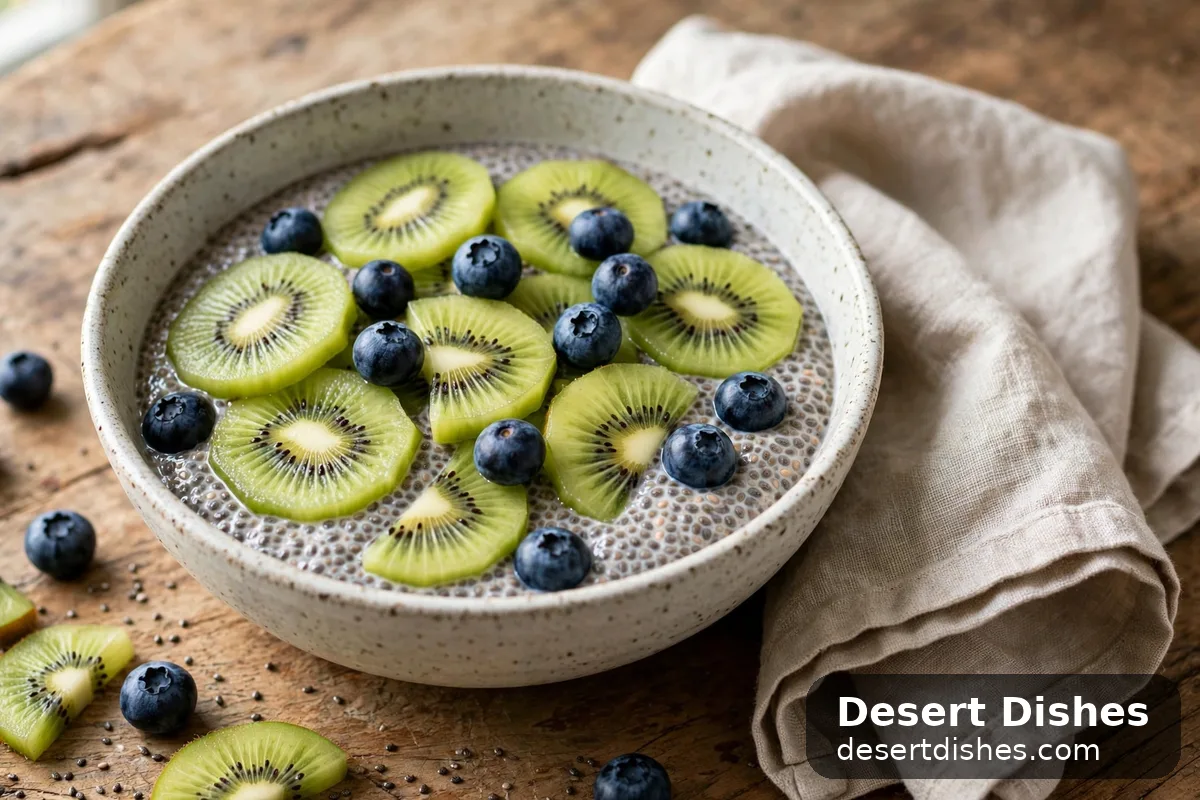
Fruit-based desserts are the simplest lighter desserts, because the fruit is already sweet. A bowl of berries with a little cream, poached pears, grilled peaches, or a mango cup needs very little added sugar to taste like a proper dessert. Fruit also brings fiber and freshness, which is why a fruit dessert feels lighter than a cake or a pastry even when it is just as sweet. Use fruit that is ripe and in season — it needs the least help — and add texture with nuts, a crumble topping, or a spoonful of yogurt rather than with more sugar.


Yogurt-Based Desserts
Yogurt is the workhorse of lighter desserts. It is creamy and tangy, so it can stand in for cream in parfaits, mousses, and chilled desserts, with a fresher flavor and a lighter feel. A yogurt parfait layered with fruit and a little granola is a complete dessert in a glass. Frozen yogurt treats, made by freezing sweetened yogurt with fruit, are a lighter alternative to ice cream. Choose plain yogurt and sweeten it yourself, so you control how sweet the dessert is.

Portion-Friendly Desserts
Sometimes the lightest choice is not a different recipe but a smaller portion. Mini desserts — small tarts, bite-sized energy balls, a single small cup of mousse — give you the full flavor of a dessert in a portion that feels right after a meal. Bite-sized sweets are also easy to share, which suits parties and family dinners. If a recipe makes a large cake, cut it into small slices and serve it with fruit; the dessert stays indulgent, but the portion stays light.


Dietary Dessert Options
Different guests have different dietary needs, and a good dessert table covers them without making a fuss. The table below compares the main dietary options and what they usually mean for a dessert recipe.
| Dietary option | What it usually means | Dessert styles that fit |
|---|---|---|
| Gluten-free | No wheat, barley, or rye flour | Flourless cakes, fruit desserts, meringues |
| Lower-sugar | Less added sugar, or natural sweeteners | Fruit desserts, yogurt desserts, date-sweetened desserts |
| Dairy-free | No milk, butter, or cream | Sorbet, fruit desserts, coconut-based desserts |
| Vegan | No animal products at all | Fruit desserts, sorbet, plant-milk desserts |
| Nut-free | No nuts of any kind | Fruit desserts, plain cakes, yogurt desserts |

Gluten-Free Options
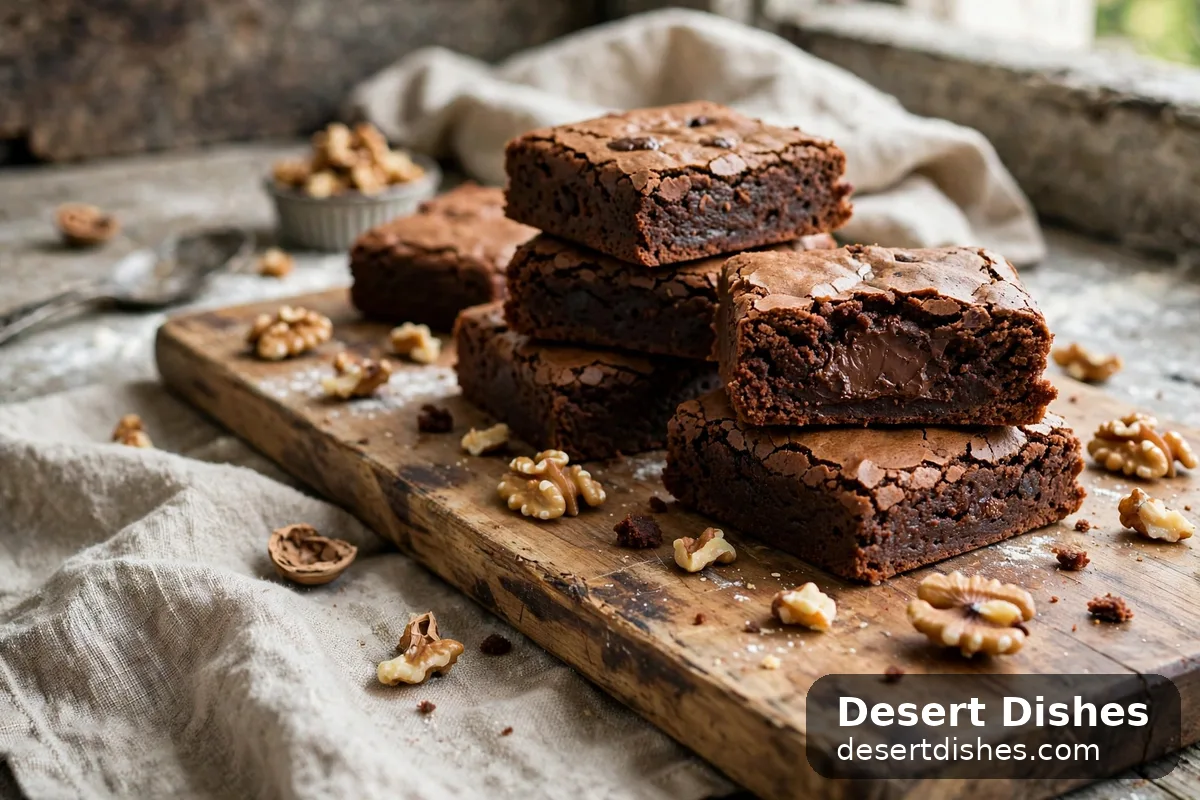
Many desserts are naturally gluten-free, and they are often the best ones on the table. Flourless chocolate cake, meringues, pavlova, fruit desserts, and rice puddings need no flour at all, so there is no compromise in texture. For baked desserts, a gluten-free flour blend can replace wheat flour in many recipes, though the texture may differ slightly. Always check labels on ingredients like oats and baking powder, and keep gluten-free desserts separate from other desserts to avoid cross-contact if a guest has celiac disease.

Lower-Sugar Options
Lower-sugar desserts work best when the recipe is built around naturally sweet ingredients rather than simply removing sugar from a rich recipe. Dates, ripe bananas, and sweet fruit can carry the sweetness of a dessert on their own. Reducing the sugar in a recipe by a quarter is often unnoticeable, especially in fruit desserts where the fruit provides flavor. Honey, maple syrup, and date syrup can replace some of the sugar, but they are still sweeteners — use them for flavor, not as a health claim.
Other Dietary Preferences
Beyond gluten-free and lower-sugar, the most common needs are dairy-free and vegan desserts. Sorbets and fruit desserts are naturally dairy-free and vegan, and they need no special ingredients. Coconut milk can replace cream in chilled desserts and puddings. For vegan baking, plant milk, oils, and flax or chia eggs can replace dairy and eggs in many recipes, though results vary and testing matters. When cooking for mixed dietary needs, a fruit dessert is often the safest single choice. Label every dessert clearly, especially anything containing nuts, since nut allergies are common and serious.
Desserts for People Who Prefer Less Sweet Flavors
Not everyone likes very sweet desserts, and that is a real preference — not a diet. Many people enjoy dessert for its flavor, its texture, and the ritual of ending a meal with something special, and they would rather have a dessert that tastes of fruit, chocolate, nuts, or spice than one that tastes mainly of sugar. The keyword data behind this site shows this is a genuine search intent: people look for desserts that are not too sweet, and almost no dessert site answers them directly. This section is that answer.
Balancing Sweetness
Balancing sweetness starts with salt and acid. A pinch of salt in a dessert makes the other flavors stand out, so the dessert tastes more flavorful without being sweeter. A squeeze of lemon or a little citrus zest brightens a fruit dessert and cuts through sweetness. Dark chocolate, coffee, and toasted nuts add bitterness and depth that balance sugar. Reducing the sugar in a recipe by a quarter to a third is often unnoticeable, especially if the recipe has strong flavors like chocolate, spice, or fruit to carry it.
Using Fruit for Natural Sweetness
Fruit is the best tool for a less-sweet dessert, because it brings sweetness with acidity and flavor attached. A dessert sweetened mainly with fruit tastes complex — sweet, tart, and fragrant at once — where a dessert sweetened with sugar alone tastes flat. Dates are especially useful: they are intensely sweet, but they also bring a caramel flavor and a chewy texture, so a small amount goes a long way. Ripe bananas, roasted pears, and caramelized pineapple all add sweetness that feels natural rather than added.

Choosing Flavor Over Added Sweetness
The best less-sweet desserts lead with flavor, not with sugar. A chocolate mousse made with dark chocolate, a pistachio dessert, a saffron milk cake, or a fruit tart with a buttery crust all taste like their main ingredient first and like sugar second. Spices — cinnamon, cardamom, saffron, vanilla — add warmth and complexity that make a dessert satisfying at a lower sweetness level. When you build a dessert around a strong flavor, you do not need much sugar to make it taste complete.

Healthy Dessert Recipes in This Hub
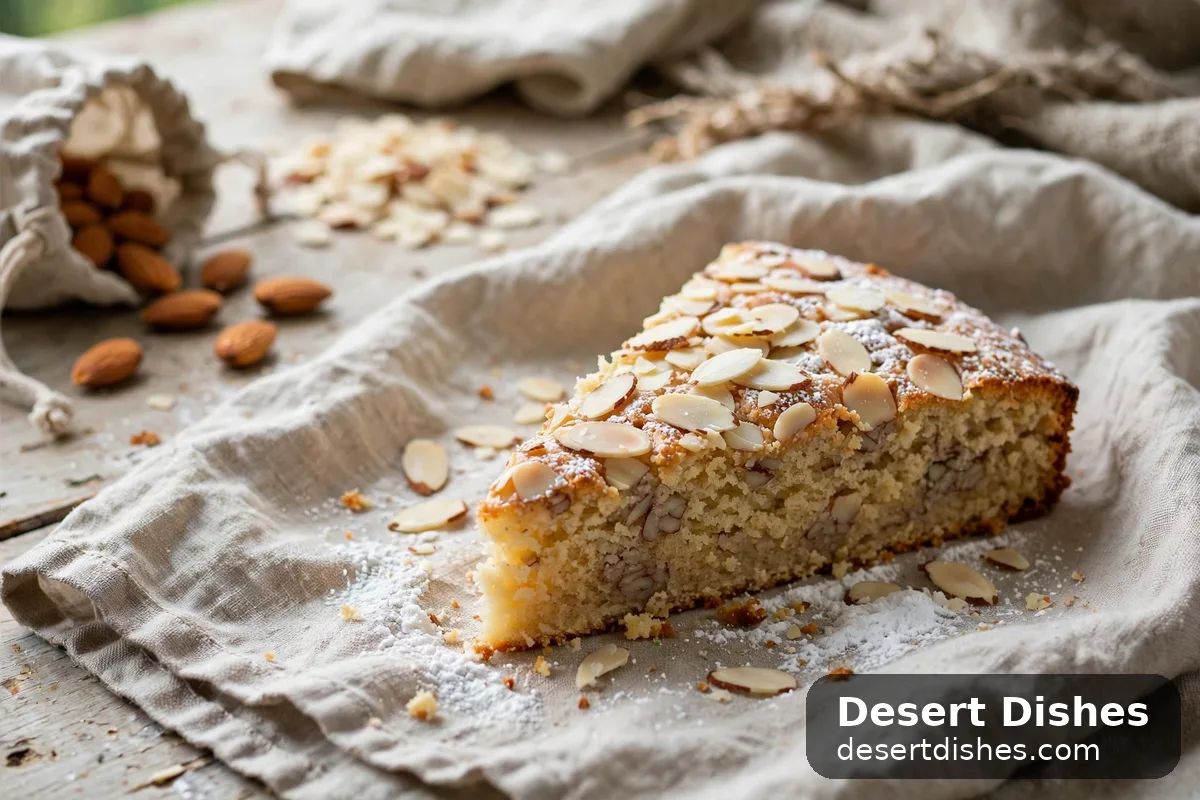
These recipes belong in this hub — lighter, fruit-led, no-bake sweets. Items marked PLANNED do not have posts yet — these are not live links. Fruit-led recipes like apple pie, peach cobbler, and banana bread are live now.
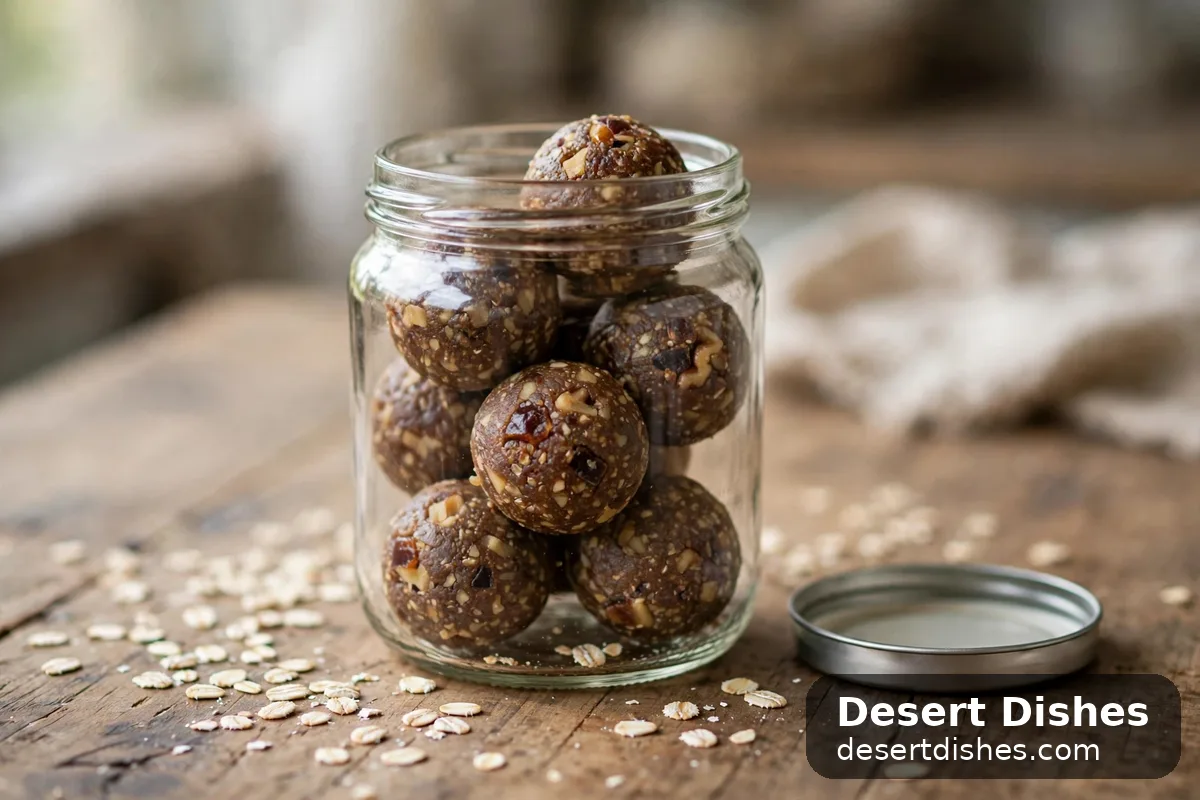
- Date & Walnut Energy Balls — PLANNED. Sweetened with dates, no baking, bite-sized portions; the clearest fit for this hub
- No-Bake Mango Dessert Cups — PLANNED. A fruit-led chilled dessert with no baking and a light feel
- Easy Apple Pie Recipe (Classic Homemade) — flaky crust, spiced apple filling, and a golden top. A fruit-led classic.
- Easy Peach Cobbler Recipe (Southern-Style) — juicy peaches under a golden, buttery topping. Fruit is the star.
- Best Banana Bread Recipe (Moist, Easy & Homemade) — moist, easy banana bread made with ripe bananas.
No other first-ten recipe is a lighter dessert, so no others are listed here.
More from Desert Dishes: Fruit Desserts · Dessert Types and Categories · Party and Crowd Desserts · No-Bake Dessert Recipes · Homepage
FAQ
What is a good light dessert after dinner?
A fruit-based dessert is the best light choice after dinner: fresh berries with cream, poached pears, a mango cup, or a small fruit parfait. These are sweet and satisfying without feeling heavy. A small portion of a richer dessert — a single square of chocolate, a small scoop of ice cream, or a bite-sized sweet — also works well when you want a little indulgence without a full serving.
How can I make a dessert less sweet?
Reduce the sugar by a quarter to a third — most recipes still work, especially fruit and chocolate desserts. Add a pinch of salt and a squeeze of citrus to make the other flavors stand out, so the dessert tastes more flavorful rather than just less sweet. Use dark chocolate instead of milk chocolate, and let fruit, nuts, and spices carry the flavor instead of adding more sugar.
Which desserts are naturally gluten-free?
Many desserts need no flour at all: flourless chocolate cake, meringues, pavlova, fruit desserts, rice puddings, and most chilled desserts like mousse and panna cotta. Sorbets and fruit cups are also naturally gluten-free. These are often the best gluten-free options, because they were never designed around flour in the first place, so there is no compromise in texture.
Can a healthy dessert still feel indulgent?
Yes — a healthy dessert feels indulgent when it leads with flavor and texture, not with restriction. A creamy yogurt parfait with berries, a rich dark chocolate mousse in a small portion, or a saffron milk cake all feel like a treat because they are built around ingredients people love. Indulgence comes from richness of flavor, a good texture, and a beautiful presentation, not from the amount of sugar or butter.
What should I consider when choosing a dessert for different dietary needs?
Start by asking about allergies — nuts, gluten, and dairy are the most common — and label everything clearly. Then choose desserts that cover the most needs at once: a fruit dessert is often naturally gluten-free, dairy-free, and vegan. Offer two options rather than one, so guests with different needs both have something. And avoid cross-contact by keeping serving utensils separate and preparing dietary desserts in clean bowls and pans.
Final Thoughts
Healthy desserts are not a compromise — they are a different way of building a dessert, around fruit, yogurt, nuts, and flavor instead of around sugar and butter. Start with a fruit dessert or a small portion, use salt and citrus to balance sweetness, and let the main ingredient do the work. A dessert that leaves you feeling good is a dessert worth making again.