
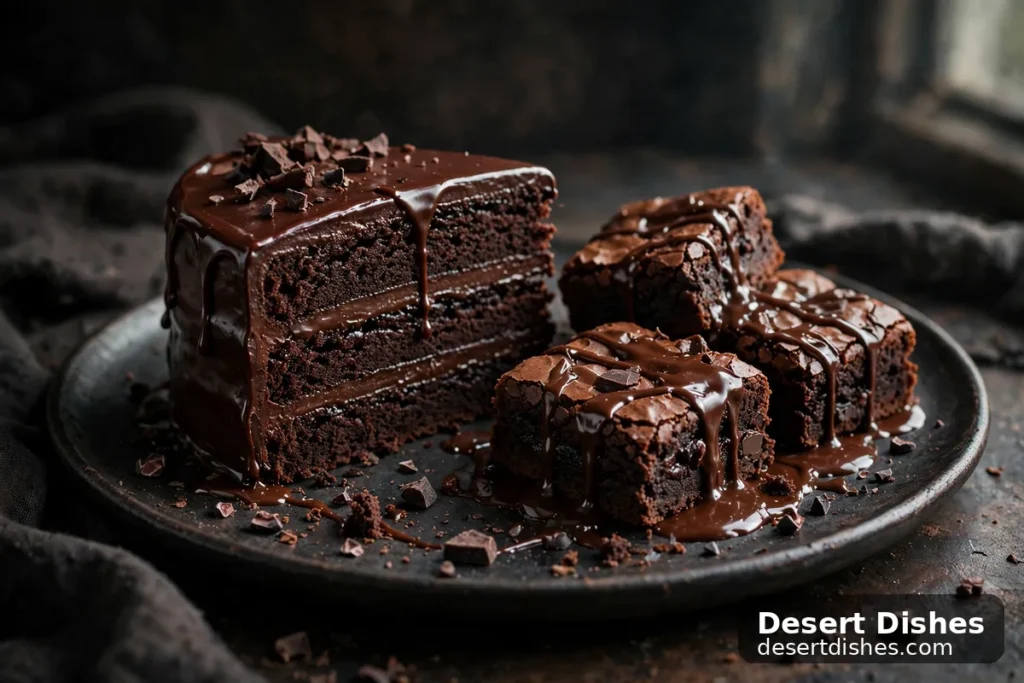
Chocolate Desserts
Last updated: November 9, 2026.
Chocolate desserts are the most loved desserts of all, from a warm brownie to a dark chocolate mousse. This page is a guide to making them well: the main types of chocolate desserts, how to choose the right chocolate for each one, and what to make when you want something else instead. Chocolate is forgiving in some recipes and demanding in others, so knowing which kind of chocolate to use — dark, milk, or white — and how it behaves when melted, baked, or chilled makes the difference between a good dessert and a great one. The recipes here use US cup measurements and Fahrenheit temperatures, with chocolate you can buy at any US supermarket.
Chocolate Dessert Guide
Chocolate desserts work because chocolate brings flavor, richness, and structure all at once. Melted chocolate sets as it cools, cocoa powder gives deep flavor without sweetness, and chocolate chips hold their shape in cookies and brownies. Dark chocolate gives a rich, slightly bitter flavor that suits mousses and flourless cakes, milk chocolate is sweeter and creamier for cookies and bars, and white chocolate is sweet and buttery for blondies and ganache. Store chocolate in a cool, dry place, away from strong smells, and keep it sealed — chocolate picks up moisture and odors easily.
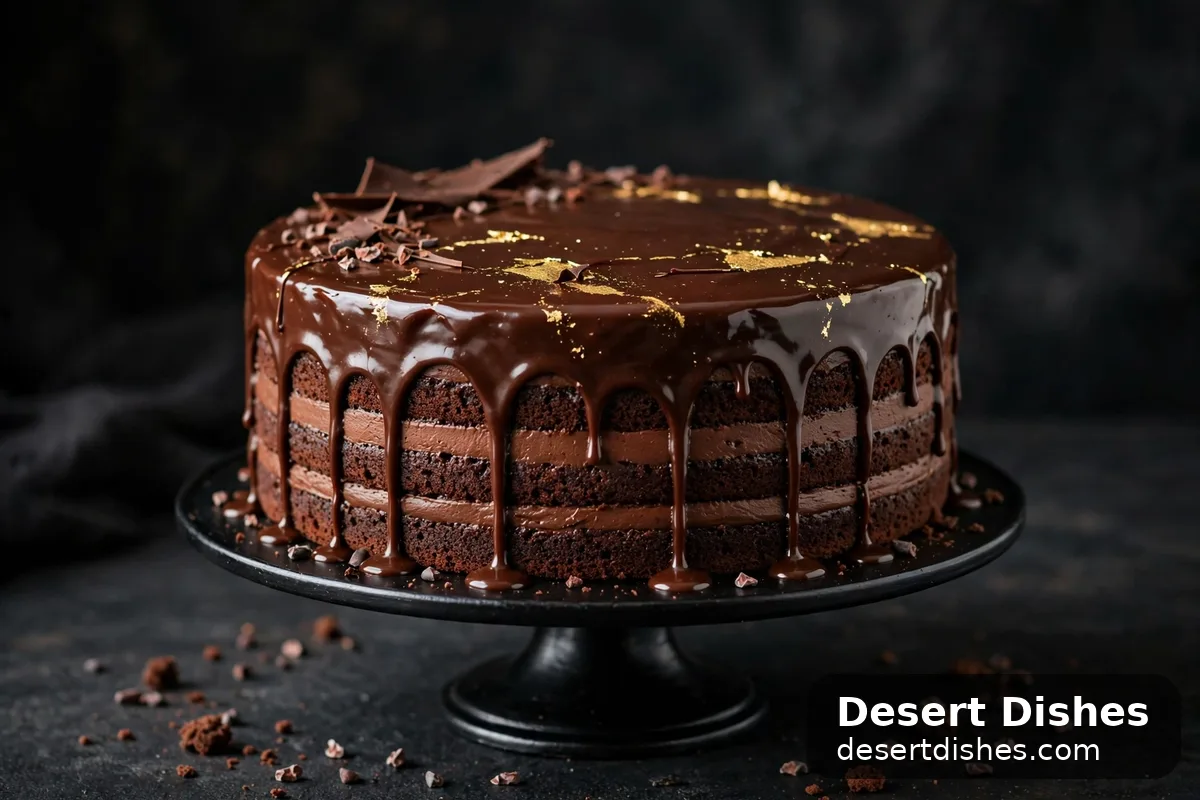
Types of Chocolate Desserts
Chocolate appears in almost every dessert family, and each type uses it differently. The list below covers the main kinds, so you can pick the one that matches your mood, your time, and your guests.
- Chocolate cakes and brownies: layer cakes, sheet cakes, flourless cakes, and fudgy brownies.
- Chocolate cookies and bars: chocolate chip cookies, double chocolate cookies, and chocolate bars.
- Chocolate puddings and mousses: chocolate mousse, chocolate pudding, and pots de crème.
- Chocolate frozen desserts: chocolate ice cream, frozen mousse, and icebox desserts.
- Chocolate pies and tarts: chocolate cream pie, chocolate ganache tarts, and chocolate silk pie.
- Chocolate drinks and sauces: hot chocolate, chocolate sauce, and ganache for pouring and dipping.
Some chocolate desserts are best warm, like brownies and chocolate pudding, while others are best cold, like mousse and ice cream.
Chocolate Cakes and Brownies
Chocolate cakes and brownies are the heart of chocolate desserts. A layer cake needs careful measuring and even baking, while brownies are one of the easiest chocolate desserts to make well — one bowl, one pan, and a short bake. Use cocoa powder for a deep chocolate flavor in cakes, and melted chocolate for a fudgy brownie. Take brownies out when a toothpick comes out with moist crumbs, not clean, so they stay fudgy rather than cakey.

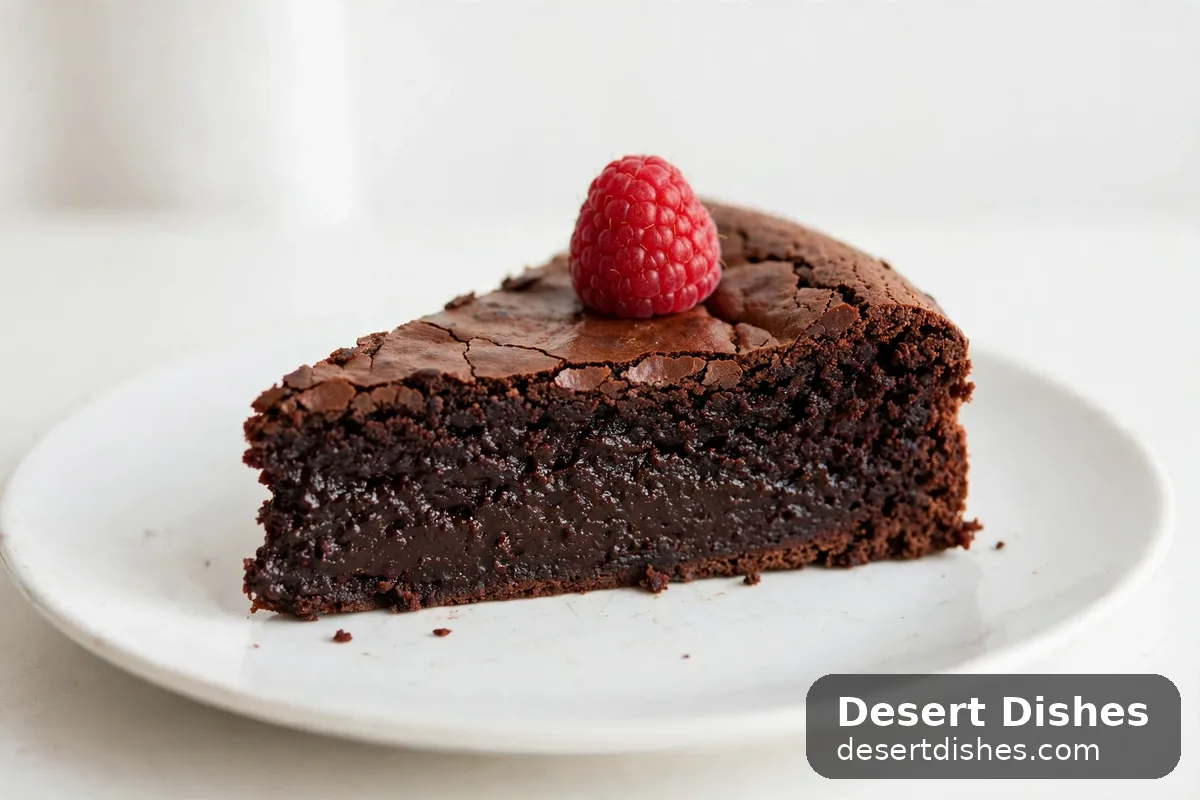
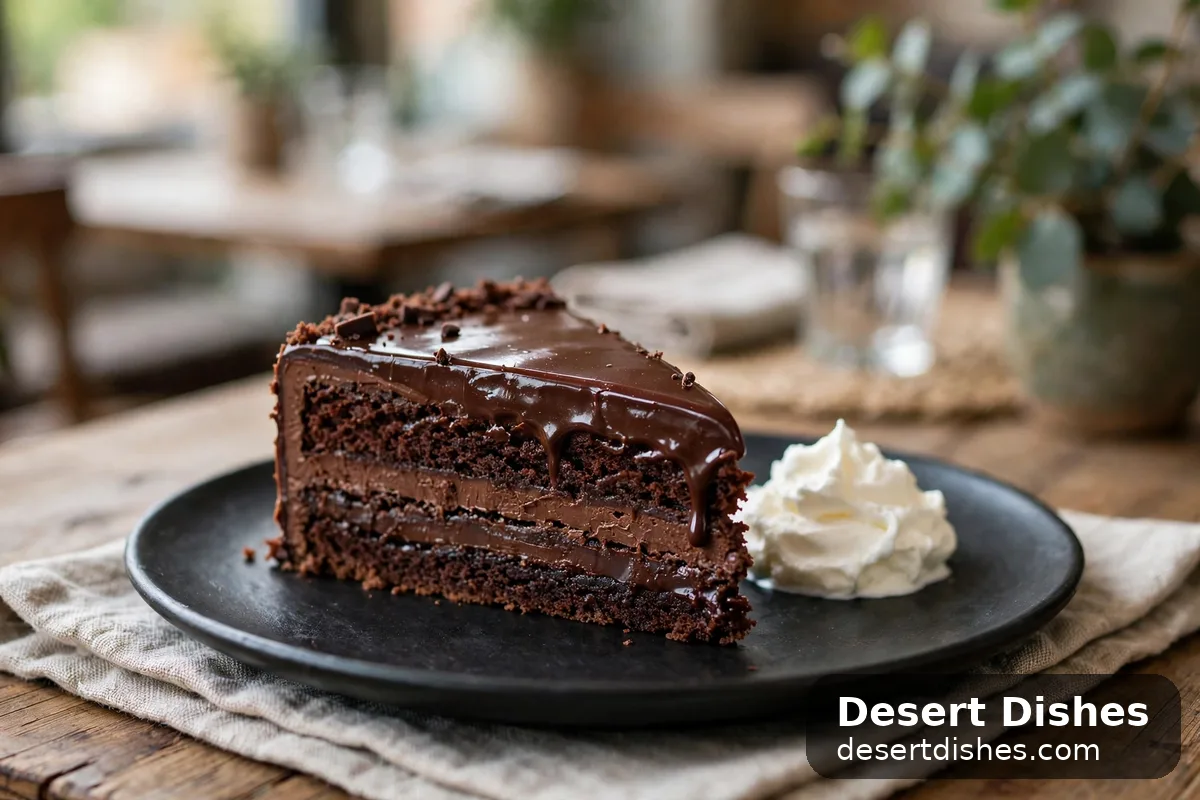

Chocolate Cookies and Bars
Chocolate cookies and bars are the most practical chocolate desserts: easy to make, easy to share, and easy to store. Chocolate chip cookies use milk or dark chocolate chips, while double chocolate cookies add cocoa powder to the dough as well. Bars bake in a pan and cut into portions, which makes them ideal for bake sales and lunchboxes.


Chocolate Puddings and Mousses
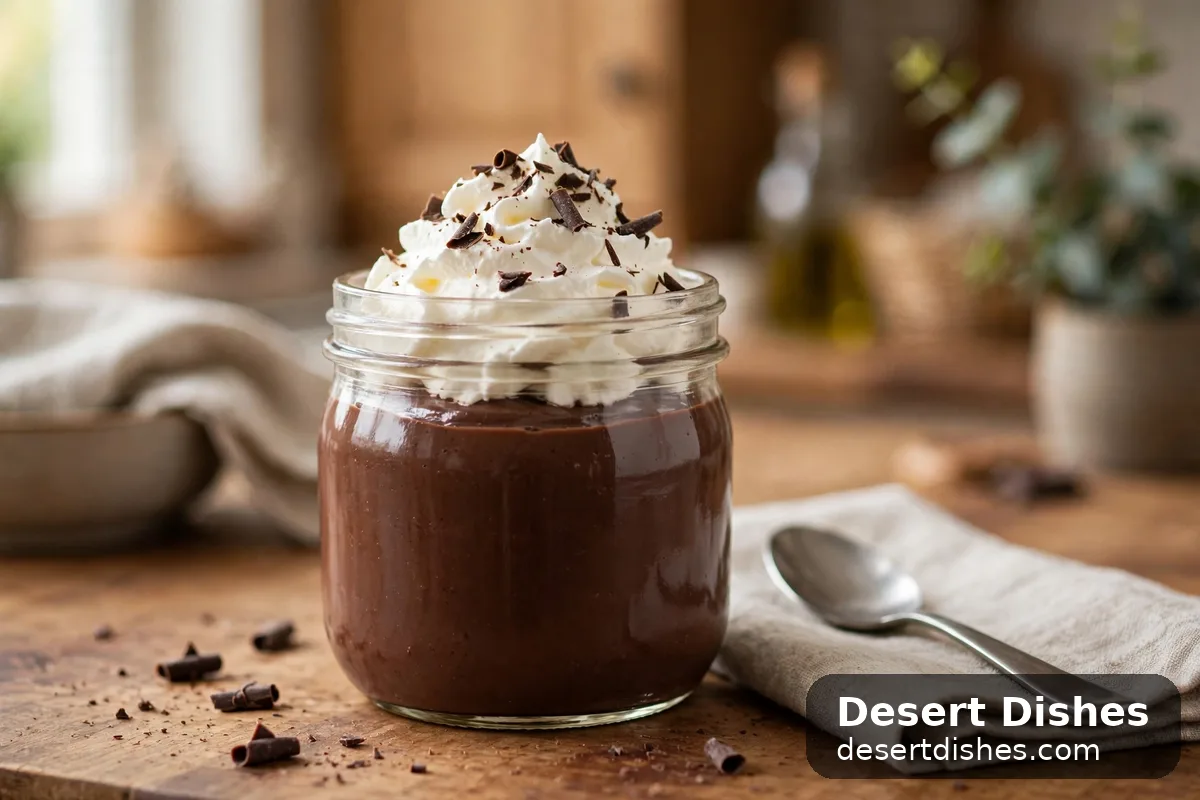
Chocolate puddings and mousses are the smoothest chocolate desserts, and they need no oven. A chocolate mousse is melted chocolate folded into whipped cream, served cold from a glass, while chocolate pudding is cooked on the stove and chilled until thick. These desserts suit dinner parties well, since they can be made a day ahead.


Chocolate Frozen Desserts
Chocolate frozen desserts include chocolate ice cream, frozen mousse, and icebox desserts layered with cookies and cream. No-churn chocolate ice cream uses whipped cream and sweetened condensed milk, so it needs no ice-cream maker. Frozen desserts are at their best when made a day ahead, and they are the right choice for summer gatherings.


Choosing Chocolate by Dessert Type
The chocolate you choose changes the flavor and texture of the finished dessert, so match the chocolate to the recipe. Dark chocolate is rich and less sweet, milk chocolate is sweet and creamy, and white chocolate is sweet and buttery with no cocoa flavor. The table below compares them by dessert type, so you can choose with confidence.
| Dessert type | Best chocolate | Why it works |
|---|---|---|
| Chocolate cake | Dark chocolate or cocoa powder | Deep flavor that stands up to frosting |
| Brownies | Dark chocolate, melted | Fudgy texture and rich flavor |
| Chocolate chip cookies | Milk or dark chocolate chips | Chips hold their shape while baking |
| Chocolate mousse | Dark chocolate | Rich flavor, sets firmly when chilled |
| Chocolate pudding | Dark chocolate or cocoa powder | Smooth texture, deep flavor |
| Chocolate ice cream | Dark chocolate or cocoa powder | Strong flavor that survives freezing |
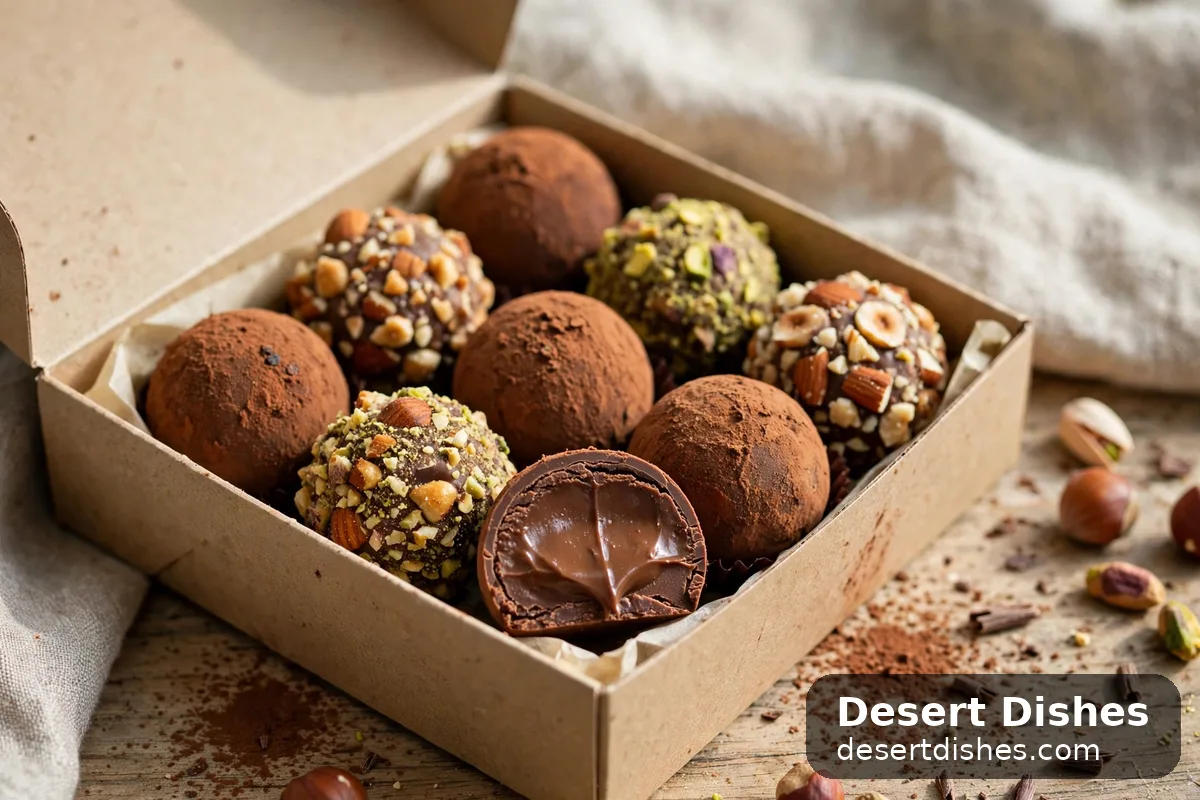
| Chocolate ganache | Dark chocolate | Firms up well for truffles and glazes |
| Blondies and white chocolate desserts | White chocolate | Sweet, buttery flavor with no cocoa |
When a recipe names a cocoa percentage, follow it: a higher percentage means darker, less sweet chocolate, and swapping it changes the balance of the dessert. Taste the chocolate before you use it — if you would not enjoy eating it on its own, it will not improve in a dessert.
Dark Chocolate
Dark chocolate has the strongest chocolate flavor and the least sweetness, which makes it the best choice for rich desserts like mousse, flourless cake, and ganache. It melts smoothly and sets firmly, so it works well in truffles and glazes. Dark chocolate also pairs well with fruit, nuts, and a pinch of salt.
Milk Chocolate
Milk chocolate is sweeter and creamier than dark chocolate, with a gentler flavor that suits cookies, bars, and everyday desserts. It melts easily but sets more softly, so it is less suited to truffles or firm ganache. Children usually prefer milk chocolate, and it pairs well with caramel, peanut butter, and hazelnuts.
White Chocolate
White chocolate contains cocoa butter but no cocoa solids, so it tastes sweet and buttery rather than chocolatey. It melts easily but burns quickly, so melt it gently over low heat or in short bursts. White chocolate suits blondies and ganache, and it pairs well with fruit — especially raspberries and strawberries — and with pistachios.
Non-Chocolate Alternatives
Not every dessert needs chocolate, and sometimes the occasion calls for something else. Fruit, vanilla, caramel, and spice-based desserts each have their own appeal, and they are worth knowing about even on a chocolate page.
- Fruit-based alternatives: fruit tarts, cobblers, crisps, poached fruit, and sorbet.
- Vanilla-based alternatives: vanilla panna cotta, vanilla custard, vanilla ice cream, and shortbread.
- Caramel and other flavor alternatives: caramel flan, butterscotch pudding, lemon bars, and spice cakes.
- Middle Eastern alternatives: kunafa, baklava, basbousa, and saffron milk cake — rich and sweet without chocolate.
If one guest does not like chocolate, make a second, simpler dessert rather than changing the chocolate one — a bowl of berries with cream or a vanilla panna cotta takes little extra work and makes everyone happy.
Fruit-Based Alternatives
Fruit-based alternatives are the lightest way to end a meal: fruit tarts with a crisp crust, cobblers and crisps with a crunchy topping, poached fruit in syrup, and sorbet. They suit summer best, when fruit is at its peak, and they work for guests who find chocolate too rich.
Vanilla-Based Alternatives
Vanilla-based alternatives are quiet and elegant: vanilla panna cotta, vanilla custard, vanilla ice cream, and shortbread. Vanilla is a flavor in its own right, not just a background note, and a good vanilla dessert shows it off. Use real vanilla extract or vanilla bean rather than imitation vanilla, since the flavor is the whole point.
Caramel and Other Flavor Alternatives
Caramel and other flavor alternatives bring warmth and depth without chocolate: caramel flan, butterscotch pudding, lemon bars, and spice cakes with cinnamon, cardamom, or ginger. Lemon bars are bright and refreshing after a rich meal, while spice cakes suit cold weather. A caramel sauce over a chocolate dessert gives you both at once.
Recipes in This Hub
The recipes below are part of the first ten planned recipes for Desert Dishes, plus new recipes published since. Items marked PLANNED do not have posts yet — these are not live links. Only one of the first ten recipes is a chocolate dessert. More chocolate recipes will join this hub as they are published.
- 3-Ingredient Chocolate Mousse — PLANNED
- Best Red Velvet Cake Recipe — moist, tender red layers with a hint of cocoa and smooth cream cheese frosting.
- Best Chocolate Cake Recipe — moist, rich chocolate cake with smooth frosting.
- Best Brownie Recipe (Fudgy & Homemade) — seriously fudgy brownies with crackly tops, made in one bowl.
The 3-ingredient chocolate mousse is a chilled chocolate dessert made with only three ingredients, and it is the simplest chocolate recipe on the site. It is also the easiest introduction to working with melted chocolate and whipped cream.
More from Desert Dishes: Homepage · Dessert Recipes · Easy Dessert Recipes · Quick Dessert Recipes · Baking Dessert Recipes · No-Bake Dessert Recipes

FAQ
What chocolate works best for baking desserts?
Dark chocolate or unsweetened cocoa powder works best for most baking, because they give a deep chocolate flavor that stands up to sugar, butter, and frosting. Use chocolate chips in cookies, where they should hold their shape, and chopped dark chocolate or cocoa powder in cakes and brownies. Milk chocolate suits sweeter, everyday desserts, while white chocolate suits blondies and fruit pairings.
How do I make a chocolate dessert less sweet?
Use dark chocolate with a higher cocoa percentage, reduce the sugar slightly, and add a pinch of salt, which sharpens the chocolate flavor without adding sweetness. Serve the dessert with unsweetened whipped cream, fresh berries, or a tart fruit sauce, which balances the richness. Avoid adding more sugar to the topping, and let the chocolate flavor lead instead.
What chocolate desserts are suitable for sharing?
Brownies, cookie bars, chocolate chip cookies, and trifles are the best chocolate desserts for sharing, because they portion easily and travel well. A sheet cake serves a crowd from one pan, and individual mousse cups let guests take their own serving. For a buffet table, choose desserts that need no cutting or plating at the moment of serving.
Which chocolate desserts can be prepared ahead?
Chocolate mousse, chocolate pudding, pots de crème, trifles, and no-churn chocolate ice cream can all be prepared a day ahead and kept refrigerated or frozen. Brownies and chocolate cakes also keep well for several days in an airtight container, and they often taste better the next day. Add whipped cream or fresh fruit garnishes just before serving so they stay fresh.
What can I make when I do not want a chocolate dessert?
Fruit tarts, cobblers, vanilla panna cotta, lemon bars, caramel flan, and Middle Eastern desserts like kunafa and baklava are all good choices when you do not want chocolate. Pick by the season and the meal: fruit desserts suit summer, vanilla and caramel suit formal dinners, and Arabian sweets suit celebrations. A simple bowl of berries with cream is always a safe choice.
Final Thoughts
Chocolate desserts reward one habit above all: choosing the right chocolate for the recipe. Dark chocolate for rich mousses and brownies, milk chocolate for cookies and everyday treats, white chocolate for blondies and fruit pairings — match the chocolate to the dessert and the rest follows.